


In the quiet reshuffling of Earth’s biodiversity, a fascinating phenomenon is unfolding: reptiles—creatures traditionally associated with warmer climates—appear to be expanding their ranges northward. This migration isn’t random but potentially linked to our warming planet. As winter temperatures rise and cold seasons shorten across northern latitudes, these cold-blooded animals are finding hospitable conditions in territories previously too frigid for their survival. This ecological shift raises important questions about climate change impacts, adaptation, and what these reptilian pioneers might tell us about our changing world. Their movement serves as a living barometer of our planet’s transforming climate patterns, offering scientists valuable insights while presenting new challenges for ecosystems and conservation efforts.
The Cold-Blooded Challenge: Why Temperature Matters
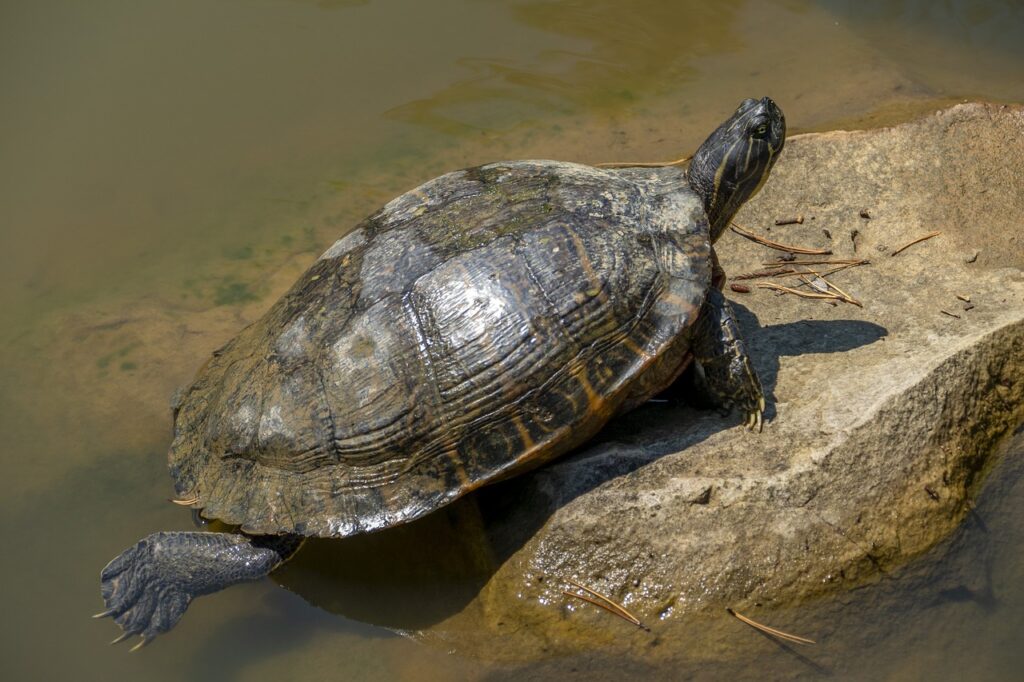
Reptiles face a fundamental biological constraint that makes them particularly sensitive to climate conditions—they’re ectothermic, meaning they rely on external heat sources to regulate their body temperature. Unlike mammals and birds that generate internal heat, reptiles must bask in the sun or absorb warmth from their surroundings to function properly.
This dependency creates a critical threshold: areas where winter temperatures regularly drop below freezing for extended periods typically remain inhospitable to most reptile species. Their metabolic processes slow dramatically in cold conditions, and sustained freezing temperatures can be fatal without specialized adaptations.
This biological reality has historically limited reptile distribution, with most species concentrated in tropical and subtropical regions where temperatures remain favorable year-round.
Evidence of Northward Expansion
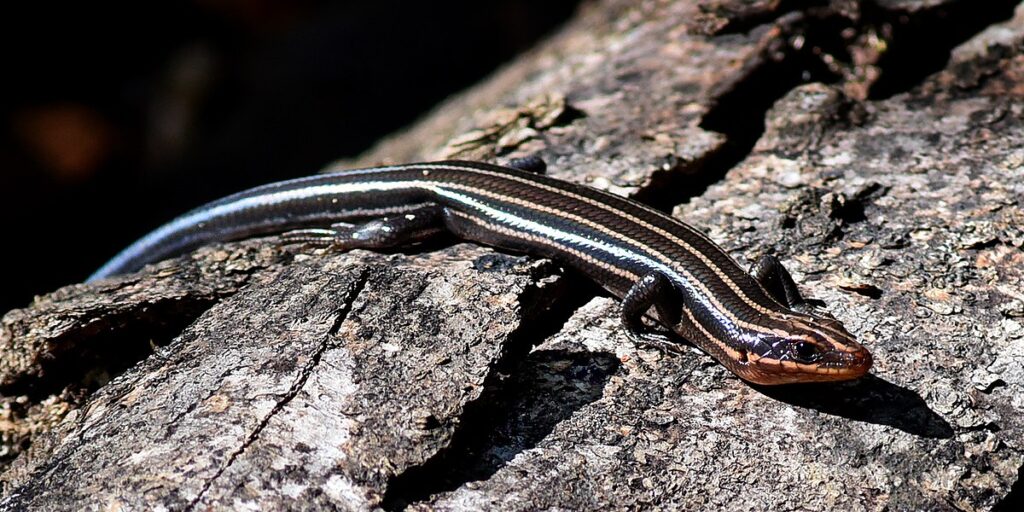
Scientific evidence increasingly confirms that multiple reptile species are indeed expanding their ranges northward across continents. In North America, the common five-lined skink (Plestiodon fasciatus) has been documented establishing populations in areas of southern Canada where they were previously absent.
European researchers have tracked the northward advance of the common wall lizard (Podarcis muralis), which has expanded its range by dozens of kilometers in recent decades. Perhaps most dramatically, several snake species including the timber rattlesnake (Crotalus horridus) have been found at higher latitudes and elevations than their historical ranges.
These observations aren’t isolated incidents but part of a broader pattern documented through citizen science reports, academic research, and wildlife monitoring programs. The consistency of these findings across diverse reptile groups and geographic regions strengthens the case that a significant ecological shift is underway.
The Climate Connection: Warming Winter Minimums
Climate data reveals a critical factor enabling reptile range expansion: winter minimum temperatures are rising faster than average temperatures in many northern regions. This pattern, known as “winter warming bias,” creates particularly favorable conditions for cold-limited species. In parts of the northern United States and southern Canada, winter minimums have increased by 2-3°C (3.6-5.4°F) over the past century—significantly higher than the global average temperature increase.
These milder winters reduce the duration of freezing conditions and increase the number of warm days during traditionally cold months. For reptiles, these changes translate directly into survival opportunity—winters that once guaranteed mortality now offer a chance at survival. Research correlating reptile range expansions with local climate data has found strong associations between new reptile populations and areas experiencing the most pronounced winter warming, providing compelling evidence of the climate-expansion connection.
Adaptations Enabling Northern Survival
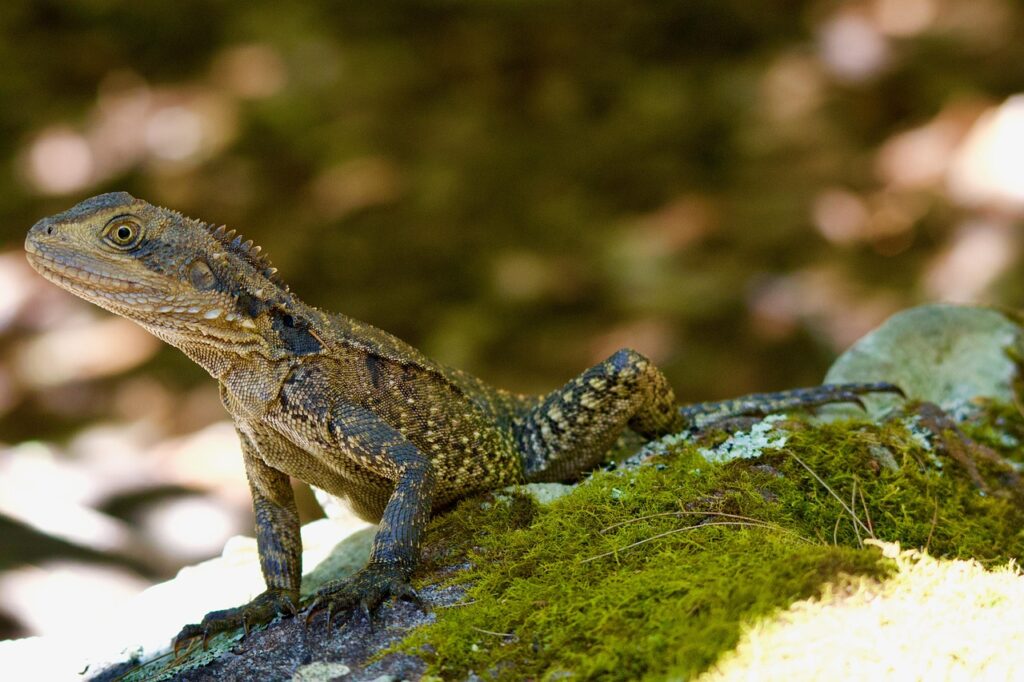
Some reptile species demonstrate remarkable adaptations that enhance their ability to colonize cooler habitats. The eastern fence lizard (Sceloporus undulatus) shows geographic variation in cold tolerance, with northern populations exhibiting greater resistance to low temperatures than their southern counterparts.
Certain snake species, including garter snakes (Thamnophis spp.), can survive brief freezing episodes through physiological mechanisms that protect vital organs. Behavioral adaptations also play crucial roles—reptiles in northern regions often select hibernation sites with greater insulation or closer proximity to geothermal features.
Additionally, researchers have documented shifts in reproductive timing, with some species breeding earlier in spring to take advantage of longer warm seasons. These adaptations represent both existing traits that suddenly provide advantages in new conditions and potentially rapid evolutionary responses to changing climate pressures.
Human-Assisted Movement and Invasive Concerns
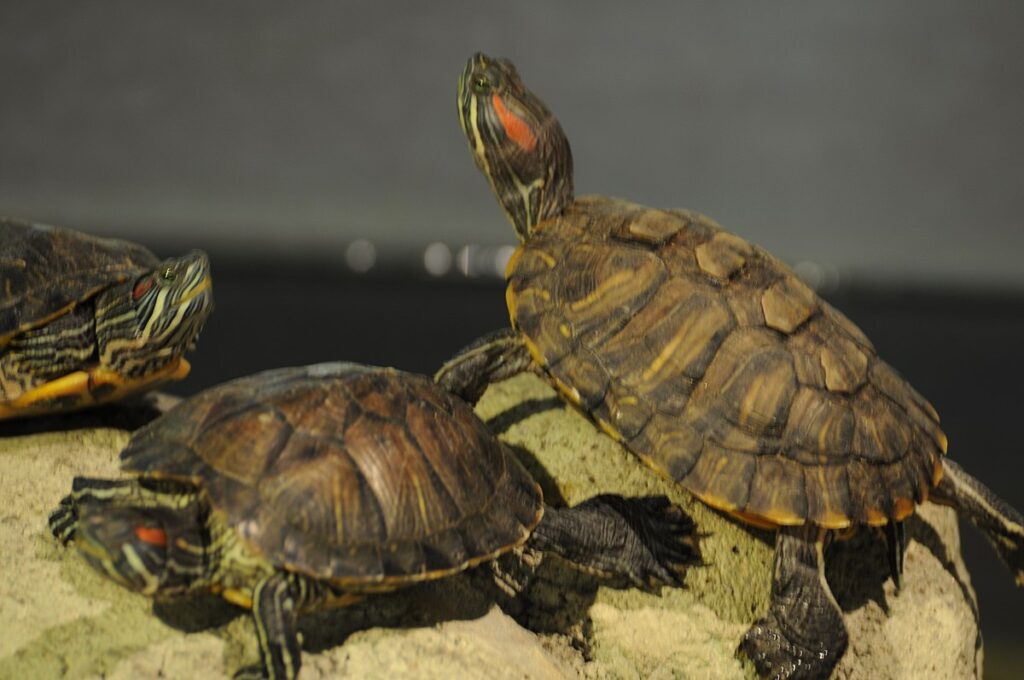
While climate change creates the conditions for northward expansion, human activities often facilitate the actual movement of reptile species beyond their historic ranges. Pet releases represent a significant pathway, with exotic species like red-eared sliders (Trachemys scripta elegans) establishing populations far beyond their native territories.
Transportation infrastructure inadvertently assists migration, with reptiles hitchhiking on vehicles or finding suitable habitat corridors along railways and highways. In some cases, deliberate introductions for pest control or other purposes have established new populations that subsequently expand with warming conditions.
These human-assisted movements raise important concerns about invasive potential, as introduced reptiles may disrupt native ecosystems through predation, competition, or disease transmission. Conservation biologists distinguish carefully between natural range expansions driven by climate change and potentially problematic human-facilitated introductions when developing management responses.
Ecological Impacts: New Predators, New Prey
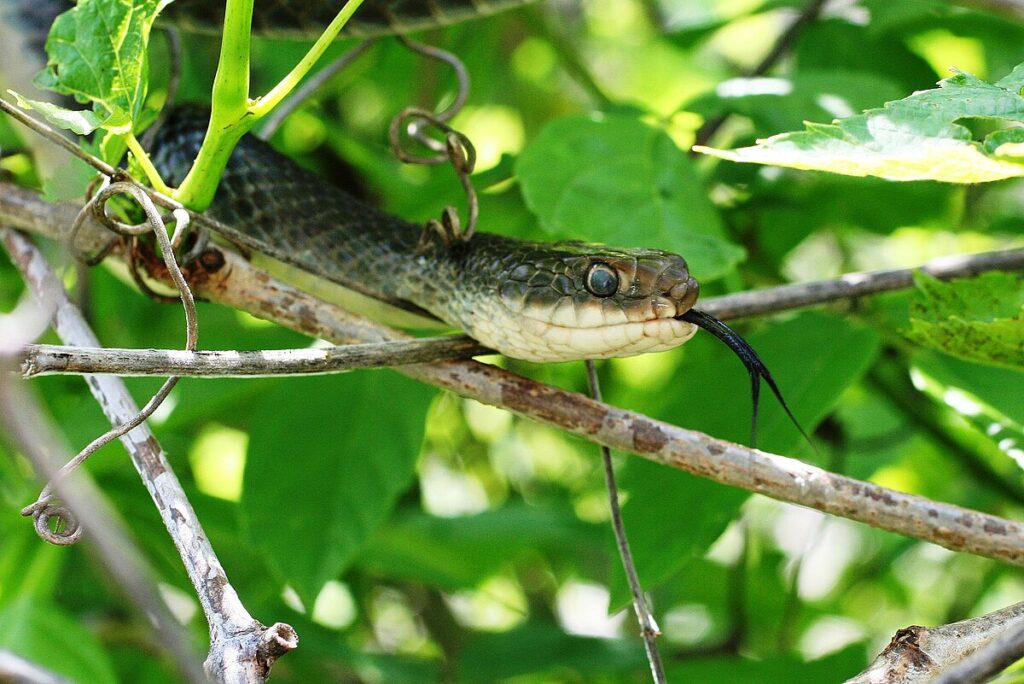
The arrival of reptile species in new northern ecosystems creates ripple effects throughout local food webs and ecological relationships. As predators, many reptiles exert pressure on local invertebrate populations and small vertebrates not previously exposed to these hunting strategies.
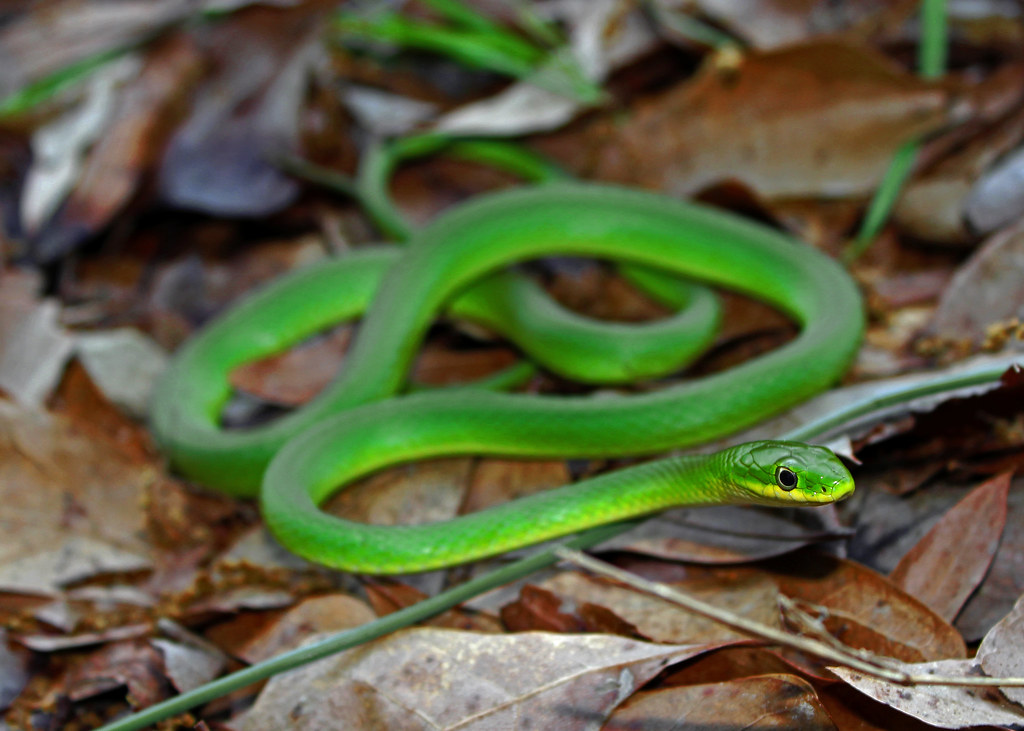
The eastern racer snake (Coluber constrictor), for example, brings efficient hunting tactics to regions where such predators were historically absent. Conversely, northward-moving reptiles themselves become prey for local predators, potentially altering the hunting behaviors and population dynamics of birds, mammals, and other predatory species.
Competition with native species presents another concern, particularly where similar ecological niches exist. Perhaps most significantly, reptiles serve as hosts, vectors, or reservoirs for various parasites and pathogens, potentially introducing these organisms to new regions and naive host populations. These complex interactions make the ecological consequences of reptile range expansions difficult to predict but potentially far-reaching.
Remarkable Case Studies: Species on the Move
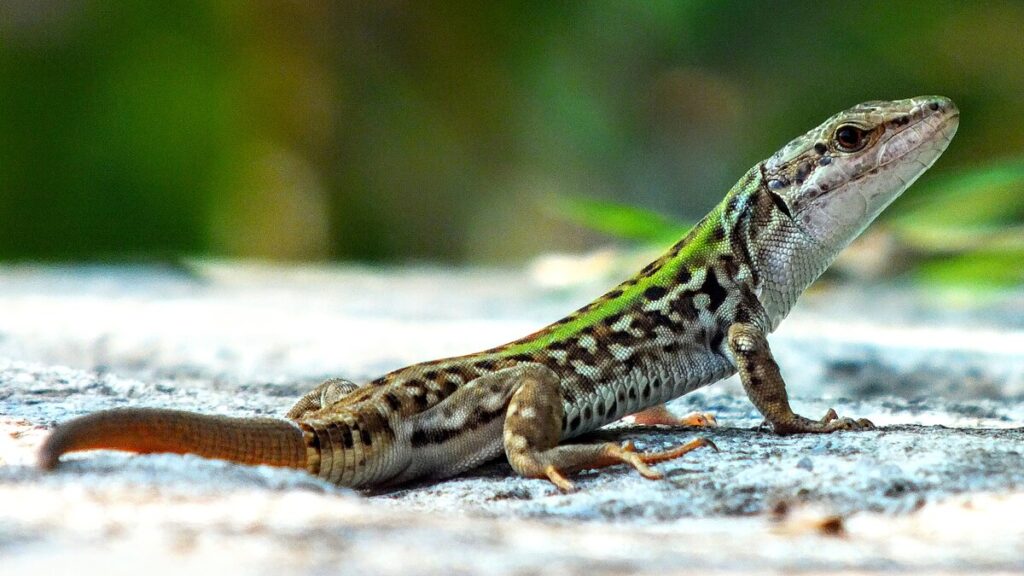
The Italian wall lizard (Podarcis siculus) exemplifies the dramatic potential of northward expansion, having established populations in urban areas throughout Europe and North America far beyond its Mediterranean origins. Originally limited to southern Italy and Sicily, this adaptable species now thrives in cities as far north as London and New York, utilizing urban heat islands that mimic its preferred climate.
Another striking example involves the Mediterranean house gecko (Hemidactylus turcicus), which has steadily expanded northward through the southern United States since its introduction, recently establishing populations in areas previously considered too cold for its survival.
Among native North American species, the green anole (Anolis carolinensis) has moved its range boundary northward by approximately 35 kilometers per decade in recent years. These case studies demonstrate not only the reality of reptile range shifts but also the varying mechanisms—from urban adaptation to gradual expansion—through which different species respond to warming conditions.
Urban Heat Islands: Stepping Stones Northward
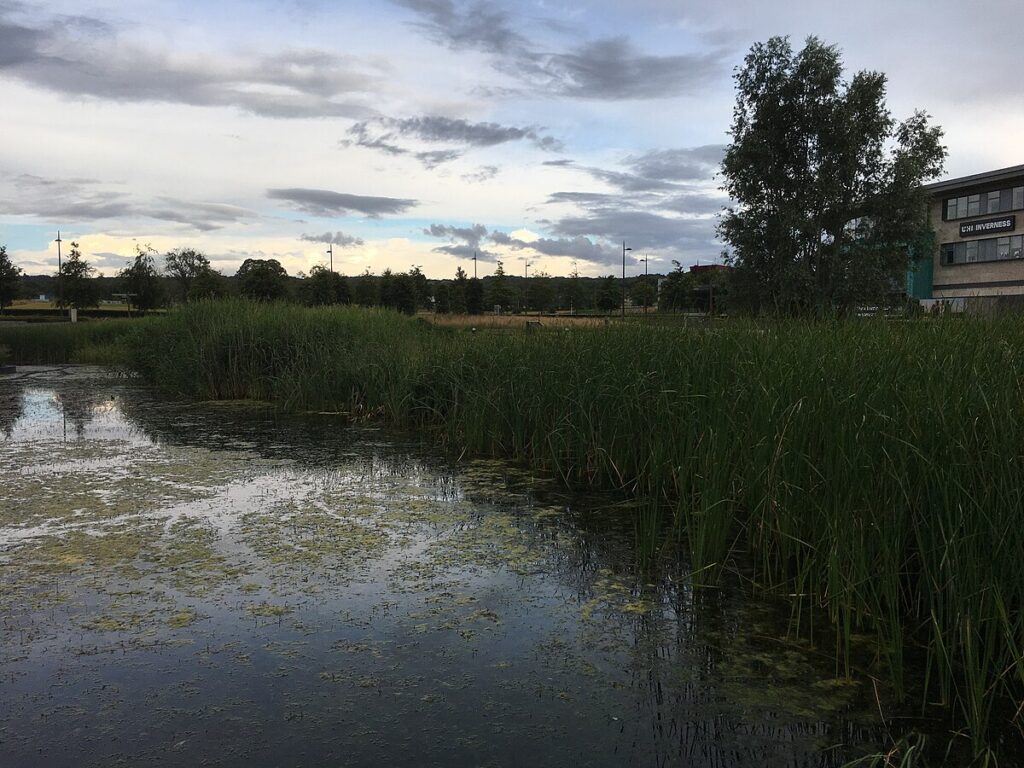
Cities play a particularly important role in facilitating reptile range expansions by creating “urban heat islands” that can be 2-5°C warmer than surrounding rural areas. This temperature differential is especially pronounced during winter nights—precisely when minimum temperatures pose the greatest threat to reptile survival.
Urban environments offer abundant artificial refugia in the form of buildings, infrastructure, and landscaping that provide both insulation and basking opportunities. Cities like Chicago, Toronto, and London now host reptile species that cannot survive in the surrounding countryside, effectively functioning as climate refuges and potential stepping stones for further range expansion.
Researchers have documented cases where species establish in urban centers before gradually spreading to surrounding areas as regional climate warms. This pattern emphasizes the complex interplay between human development and climate change in reshaping species distributions.
Challenges of Survival: It’s Not Just About Temperature
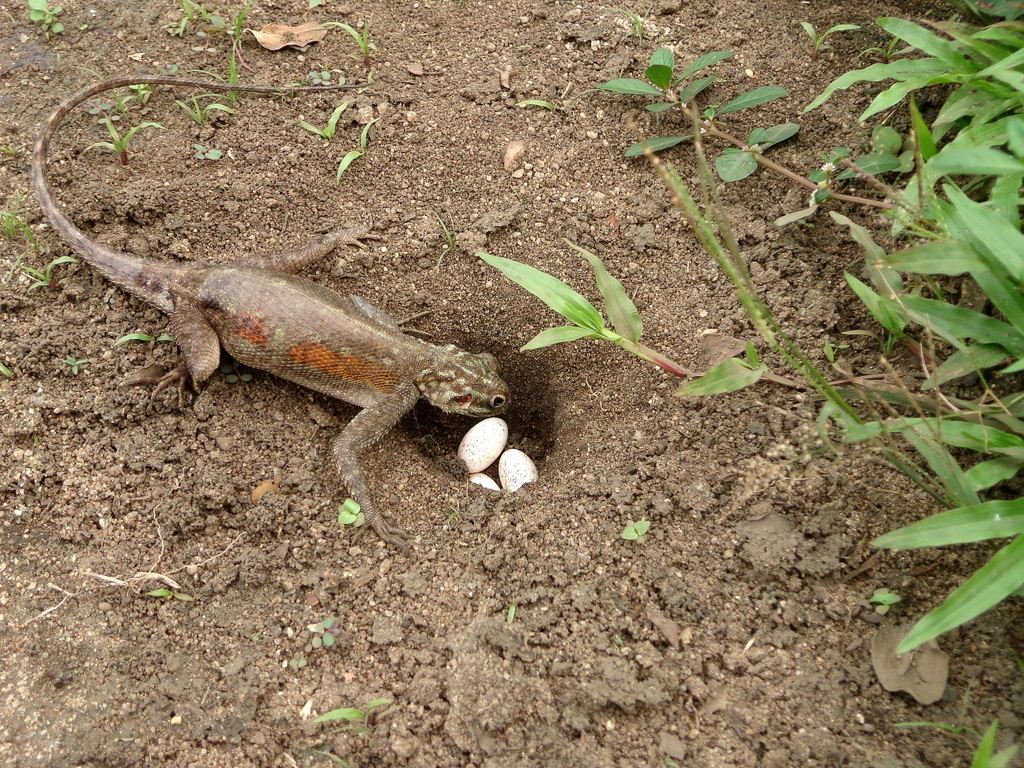
Despite warming trends, northward-expanding reptiles face numerous challenges beyond simple temperature thresholds. Photoperiod—the seasonal variation in daylight hours—becomes more extreme at higher latitudes, potentially disrupting reptiles’ circadian rhythms and seasonal behaviors that evolved under more consistent day-night cycles.
Suitable microhabitats may be limited or fragmented in northern landscapes, creating population bottlenecks even as average conditions improve. Soil characteristics, humidity patterns, and precipitation regimes differ significantly across latitudes, affecting everything from egg incubation to skin health in moisture-sensitive species. Competition and predation pressures from established northern species pose additional barriers to successful colonization.
Furthermore, while winter minimums may become survivable, extreme weather events and occasional severe winters can still devastate newly established populations that haven’t developed robust adaptive strategies. These multifaceted challenges explain why some species succeed in northward expansion while others fail despite seemingly favorable temperature trends.
Conservation Implications and Management Responses

The northward movement of reptiles creates complex challenges for conservation planning and wildlife management. Traditional conservation approaches often focus on preserving historical ranges and population distributions, but climate-driven range shifts complicate this framework by creating “moving targets” for protection efforts.
Conservation biologists increasingly distinguish between natural range expansions—which may represent successful adaptations to changing conditions—and problematic invasive introductions requiring management intervention. Monitoring programs have expanded to track reptile movements, with many agencies incorporating citizen science initiatives to enhance data collection across large geographic areas.
Some management strategies now include “assisted migration” considerations, debating whether human intervention should help species overcome geographic barriers to reaching newly suitable habitats. Regardless of approach, effective conservation increasingly requires forward-looking strategies that accommodate dynamic range boundaries rather than static preservation of historical distributions.
Reptiles as Climate Change Indicators
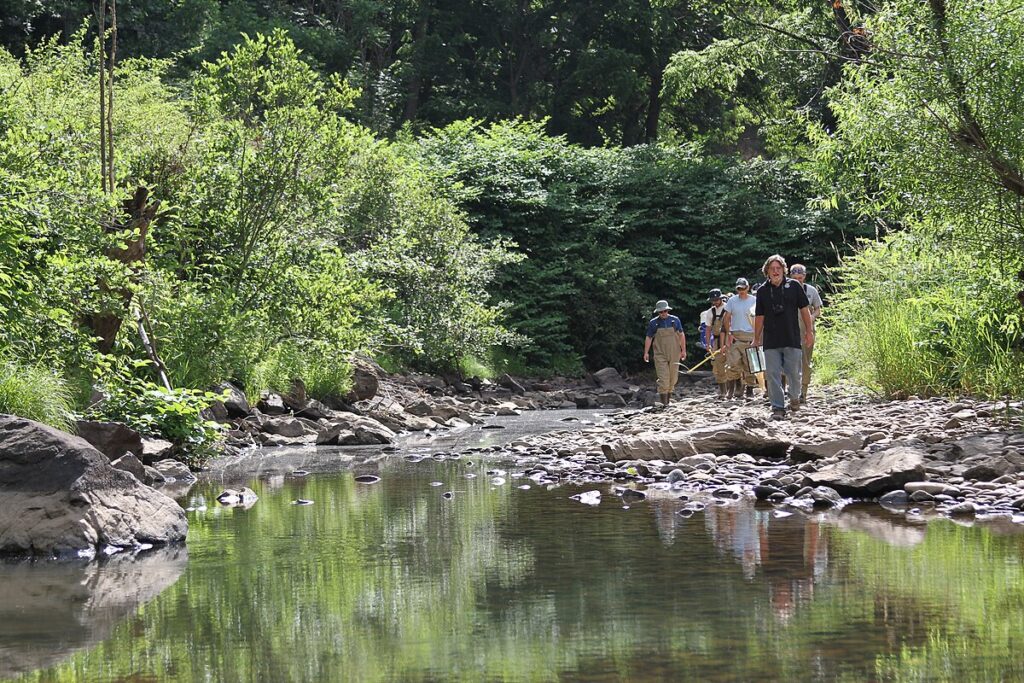
Reptiles’ sensitivity to temperature makes them excellent bioindicators of climate change impacts, often responding more quickly and detectably than other taxonomic groups. Their relatively poor dispersal abilities compared to birds or mammals means that when reptiles do expand their ranges, it strongly suggests that environmental conditions have fundamentally changed rather than representing temporary exploration behavior.
The timing of reptile emergence from hibernation, reproductive activities, and seasonal behaviors provides measurable phenological data that correlates strongly with climate trends. Citizen science projects focused on reptile sightings have proven particularly valuable for tracking these changes, with platforms like HerpMapper and iNaturalist generating massive distribution datasets that would be impossible for professional scientists to collect alone. These characteristics make reptile range expansions not merely interesting biological phenomena but valuable indicators of broader ecological responses to our warming world.
Future Projections: How Far North Could Reptiles Go?
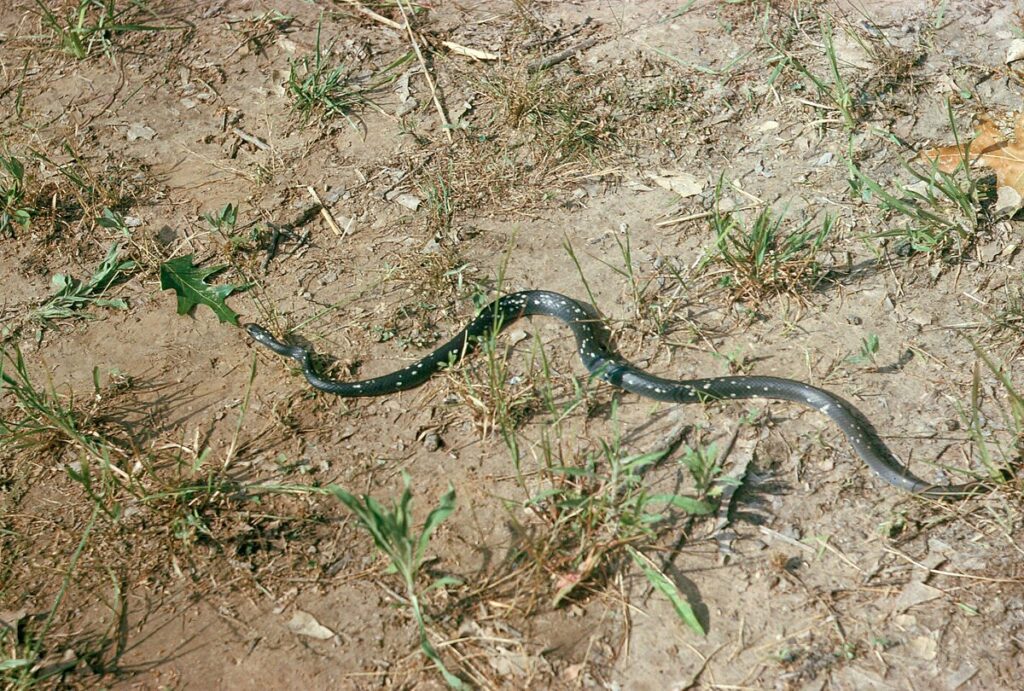
Climate models project continued warming of winter minimum temperatures across northern latitudes, potentially opening vast new territories for reptile colonization in coming decades. Species distribution models incorporating these climate projections suggest that by 2100, suitable climatic conditions for many reptile species could extend hundreds of kilometers northward from their current range boundaries.
The rate of actual colonization will depend on numerous factors beyond simple temperature thresholds, including dispersal capabilities, habitat connectivity, and adaptive potential. Certain groups, particularly small lizards and some snake species, show greater potential for rapid range expansion than larger or more specialized reptiles.
Geographic barriers like mountain ranges, large water bodies, and urbanized areas will create uneven expansion patterns rather than uniform northward shifts. The most successful colonizers will likely be habitat generalists with broad diets and flexible behavioral strategies—characteristics that facilitate adaptation to novel environments—potentially reshaping reptile communities toward less specialized assemblages in newly colonized northern regions.
Conclusion: Reptilian Pioneers in a Warming World
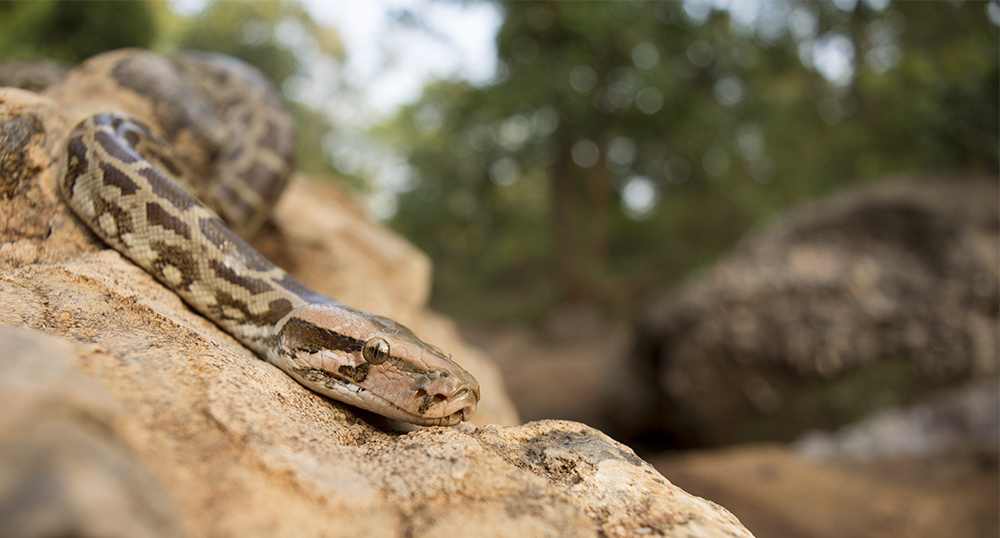
The northward movement of reptiles represents one of the most visible biological responses to our warming climate, offering both warning and insight. These cold-blooded pioneers demonstrate the direct relationship between changing climate conditions and biodiversity redistribution while highlighting the complex interplay of factors that determine which species can successfully track their climate niche as it shifts across the landscape.
For conservation, these movements challenge traditional approaches and demand more dynamic, forward-looking strategies. For ecology, they provide natural experiments in colonization, adaptation, and community assembly. And for the public, the appearance of new reptile species in northern gardens, parks, and wild spaces offers tangible evidence of our changing world.
As we continue to monitor and study these reptilian range shifts, they will undoubtedly yield further insights into how life on Earth responds to unprecedented rates of environmental change, serving as living barometers of our planet’s transformation and possibly offering lessons in resilience and adaptation that extend far beyond herpetology.




Leave a Reply