


In the grand theater of evolution, few creatures demonstrate nature’s ingenious design quite like pit vipers. These remarkable reptiles represent one of evolution’s most refined creations, combining specialized sensory abilities, deadly precision, and remarkable adaptability. From the humid rainforests of South America to the arid deserts of the American Southwest, pit vipers have conquered diverse ecosystems through evolutionary innovations that few other predators can match. What makes these serpents so extraordinary isn’t just their venomous bite, but rather a suite of adaptations that showcase evolution’s problem-solving brilliance over millions of years. Let’s explore why these fascinating reptiles truly deserve recognition as evolutionary masterpieces.
The Defining Heat-Sensing Pits
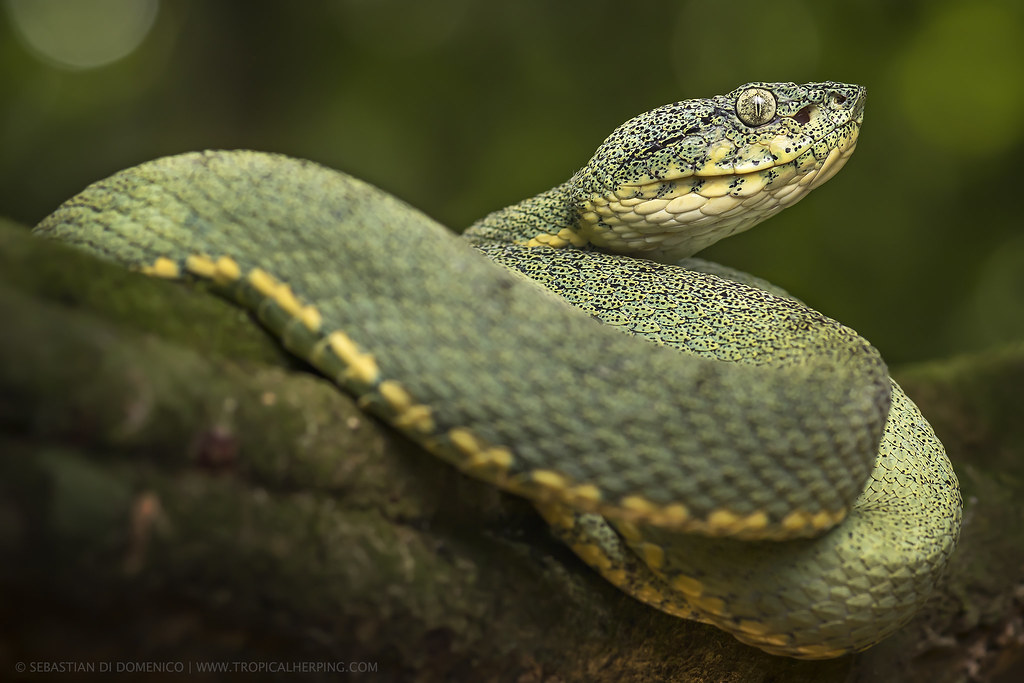
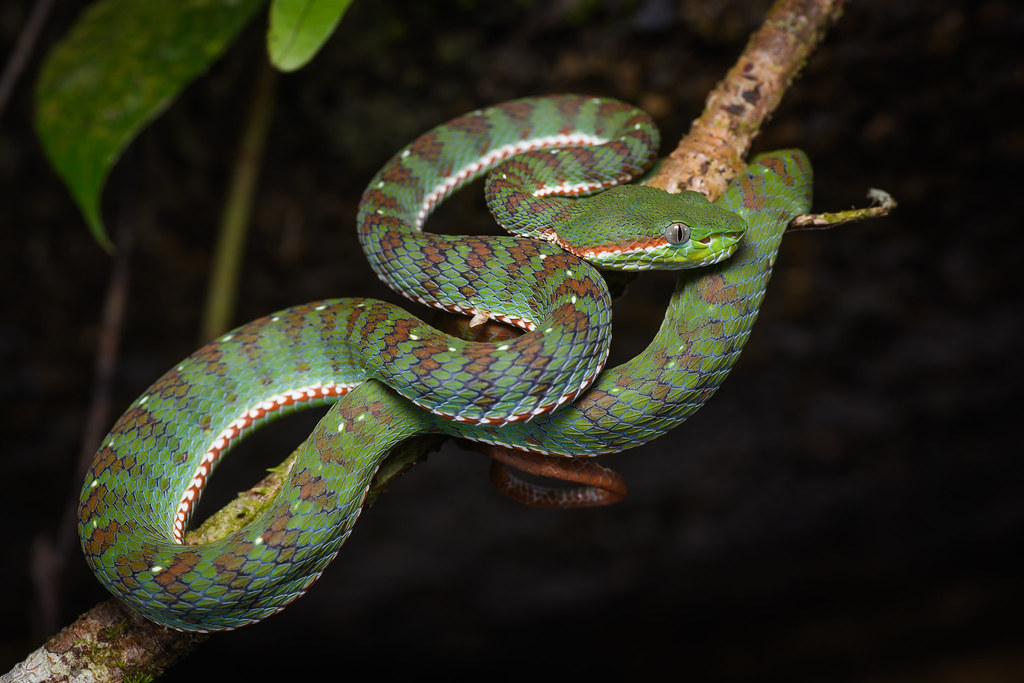
The most distinctive feature of pit vipers is undoubtedly their specialized heat-sensing organs. Located between each eye and nostril, these facial pits are incredibly sophisticated infrared detectors that can sense temperature differences as small as 0.003°C. These organs function essentially as a form of thermal vision, allowing the snake to create a thermal image of its surroundings even in complete darkness. Unlike any mammalian sensory organ, these pits contain thousands of temperature-sensitive receptors connected to the snake’s brain through the trigeminal nerve. This adaptation gives pit vipers a significant hunting advantage, as they can detect warm-blooded prey with remarkable precision regardless of visual conditions, effectively seeing the world in both visible light and infrared simultaneously.
Venom: A Biochemical Marvel
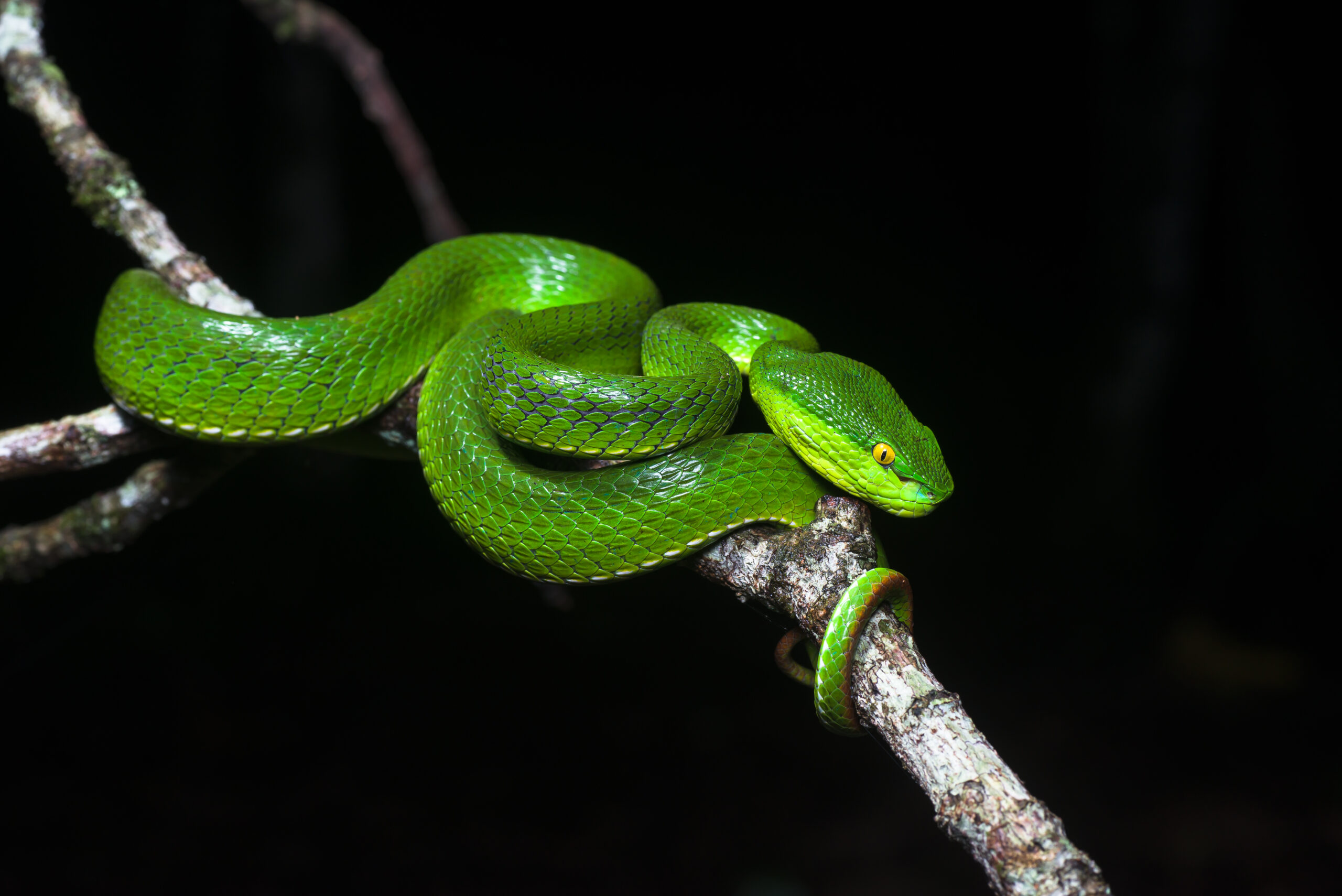
Pit viper venom represents one of nature’s most complex biochemical cocktails, evolving over millions of years into a sophisticated weapon system. These venoms contain dozens of specialized proteins and enzymes tailored to immobilize, kill, and begin digesting prey with frightening efficiency. Hemotoxic components attack blood cells and vessels, causing massive tissue damage and internal bleeding, while neurotoxic elements target the nervous system in some species.
What makes pit viper venom truly remarkable is its adaptive variability—venom composition can differ significantly not just between species but even between populations of the same species in different locations. This variability results from an evolutionary arms race between predator and prey, where venom continuously evolves to overcome prey defenses, showcasing the dynamic nature of natural selection at the molecular level.
Specialized Fangs: Precision Delivery Systems
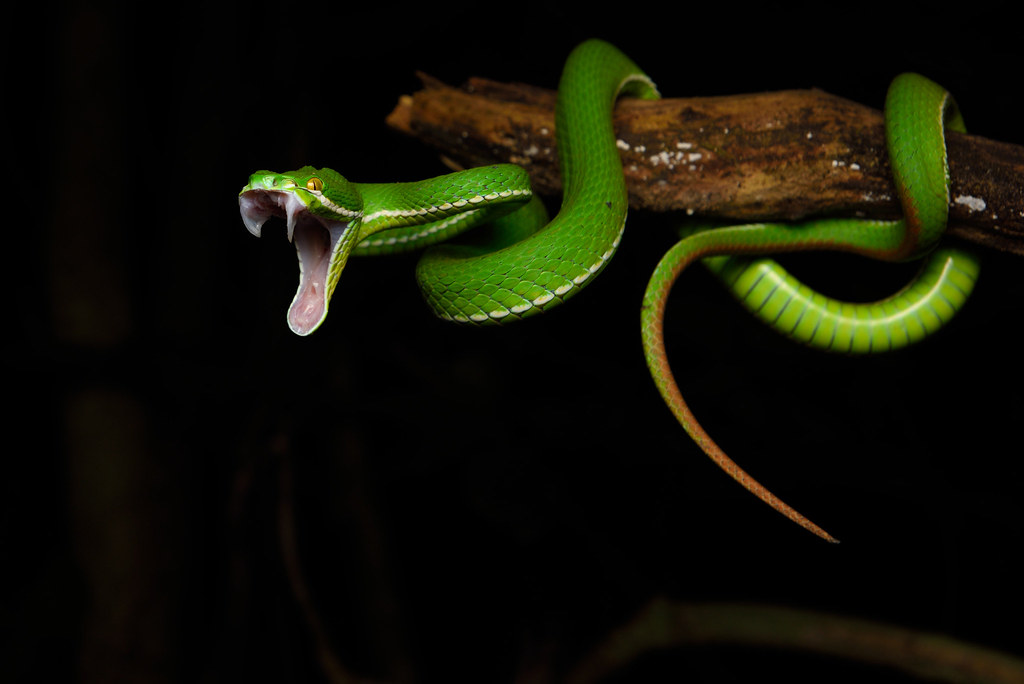
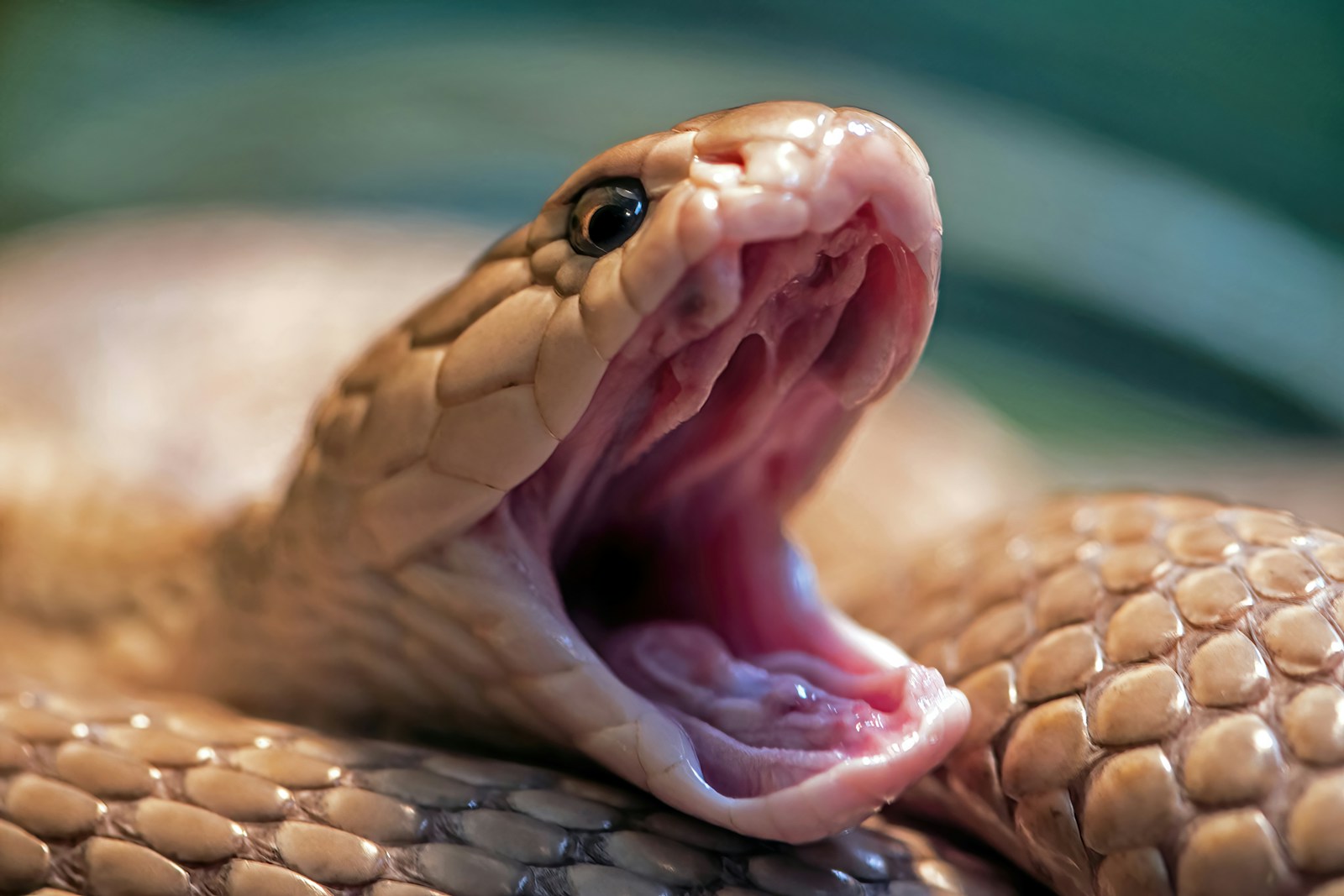
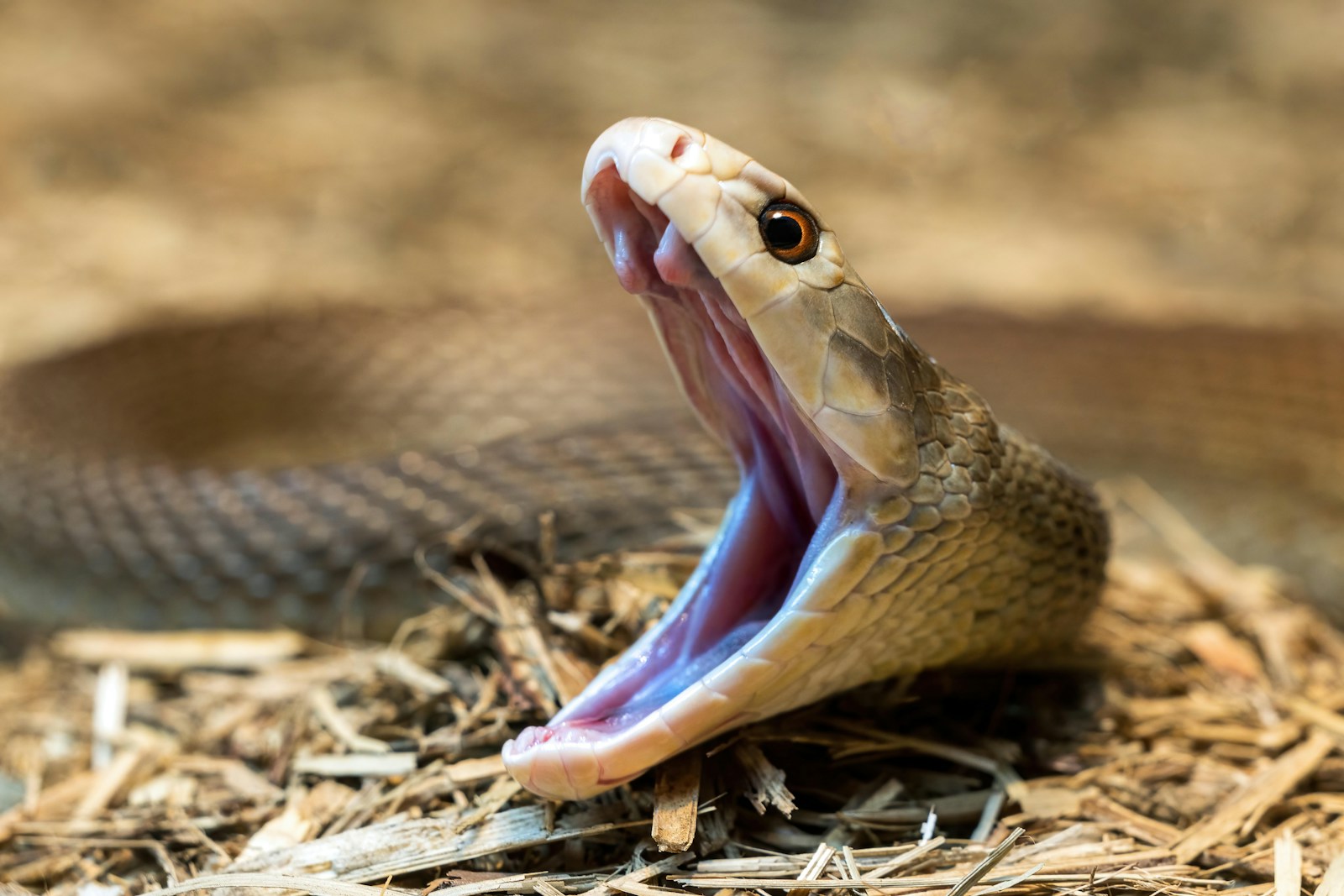
The fangs of pit vipers represent an engineering marvel of evolution, functioning as sophisticated hypodermic needles for venom delivery. Unlike many other venomous snakes with fixed fangs, pit vipers possess hinged, hollow fangs that fold against the roof of the mouth when not in use. This adaptation allows for significantly longer fangs that can rotate forward during a strike, penetrating deeply into prey to deliver venom more effectively. Each fang connects to venom glands via a specialized duct system that controls venom flow, and when a fang breaks or wears out, a replacement is already developing behind it, ready to move forward—an evolutionary solution to the problem of wear and tear. The muscles controlling these fangs are precisely coordinated with the venom delivery system, allowing the snake to regulate venom expenditure depending on the size of prey or perceived threat level.
Extraordinary Sensory Integration
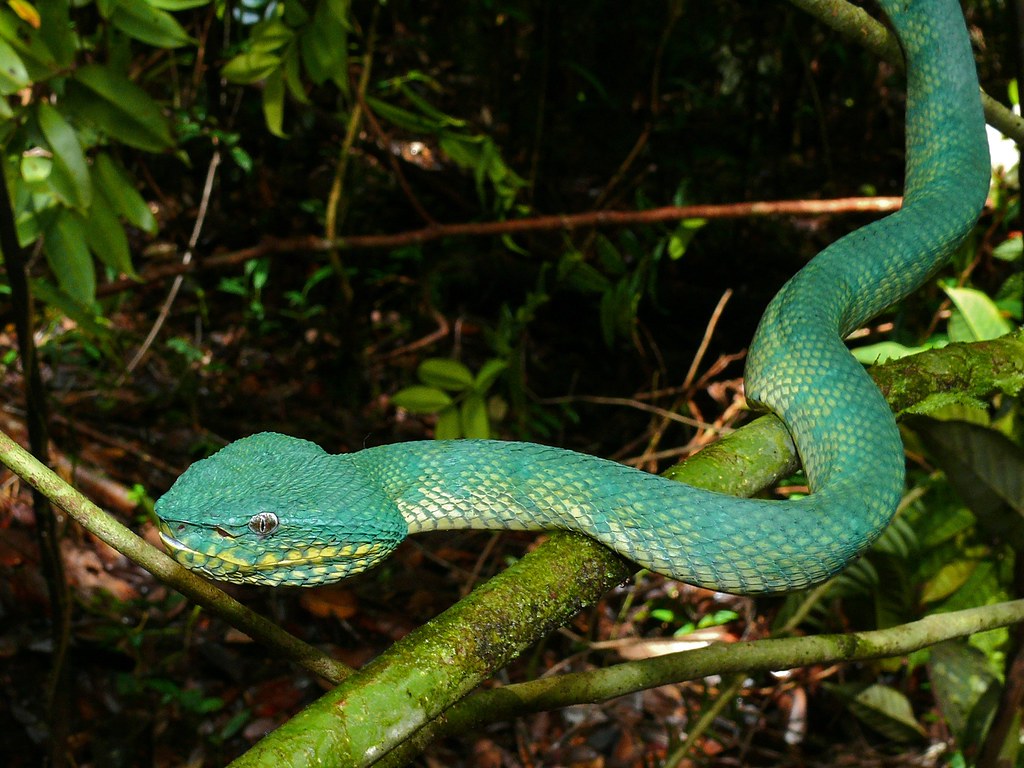
What truly sets pit vipers apart in evolutionary terms is their remarkable neural architecture that integrates multiple sensory inputs. Their brains process information from traditional vision, heat-sensing pits, tongue-flicking chemoreception, and ground vibrations simultaneously, creating a multi-dimensional awareness of their environment. This sensory integration occurs in specialized regions of the brain that have evolved specifically to process thermal information alongside visual data.
Scientists have discovered that the optic tectum in pit vipers contains a thermal map of the environment that overlays with the visual map, allowing the snake to perceive a unified sensory experience. This neural sophistication enables these predators to hunt with deadly precision in complex environments and varying conditions, representing one of the most advanced sensory systems in the reptile world.
Reproductive Adaptability
Pit vipers showcase evolutionary ingenuity in their reproductive strategies, with many species capable of both egg-laying (oviparous) and live birth (viviparity) depending on environmental conditions. This reproductive flexibility has allowed them to colonize habitats from tropical regions to high elevations and northern latitudes where cold temperatures would prevent successful egg incubation.
Even more remarkably, some pit viper species demonstrate facultative parthenogenesis—the ability to reproduce without mating when males are scarce, producing offspring with only maternal DNA. Female pit vipers also show advanced maternal behaviors rarely seen in reptiles, with some species guarding their eggs or newborns for extended periods, demonstrating rudimentary parental care. These reproductive adaptations showcase evolutionary solutions to environmental challenges, allowing pit vipers to thrive where other reptiles cannot.
Masterful Ambush Predators
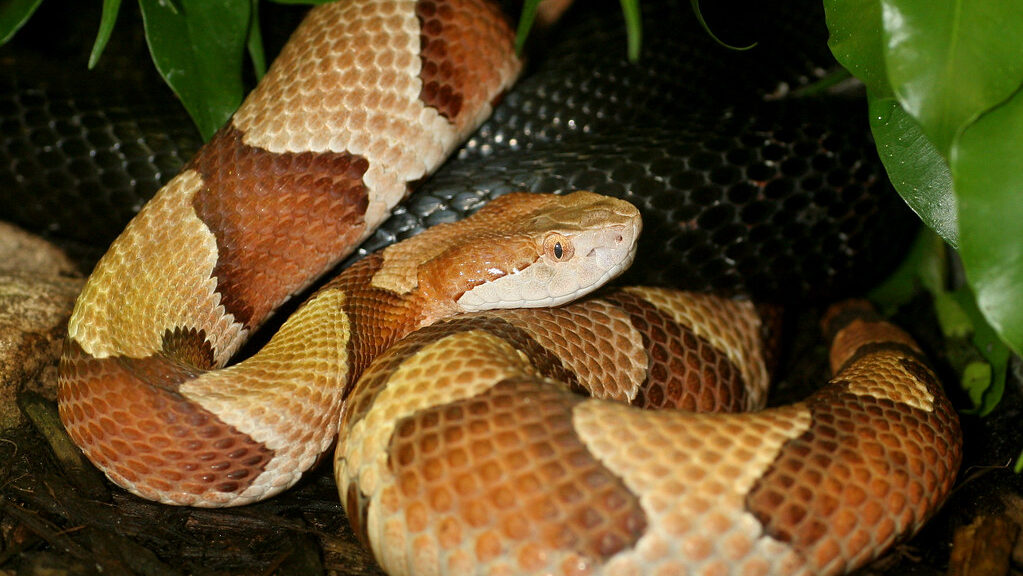
Evolution has sculpted pit vipers into the perfect ambush predators through a combination of patience, camouflage, and explosive speed. These snakes can remain motionless for days in a strategic hunting position, their metabolism slowing to conserve energy while they wait for the perfect opportunity to strike. Their coloration and patterning have evolved to match their specific habitats with remarkable precision—desert species bearing sandy hues while forest dwellers display intricate patterns mimicking dappled sunlight through leaves. The strike itself is an evolutionary marvel of biomechanics, with high-speed cameras revealing that some pit vipers can accelerate their heads faster than a fighter jet, moving from complete stillness to maximum strike speed in milliseconds. This combination of patience, concealment, and explosive action represents an evolutionary strategy that has proven remarkably successful across diverse ecosystems.
Remarkable Ecological Adaptability
Few reptile groups demonstrate the ecological versatility of pit vipers, which have successfully colonized habitats ranging from sea level to elevations over 14,000 feet. This extraordinary adaptability stems from their ability to adjust their physiology, behavior, and hunting strategies to suit local conditions. In colder northern regions, species like the timber rattlesnake have evolved complex migration patterns between winter hibernacula and summer hunting grounds, while tropical species maintain year-round activity.
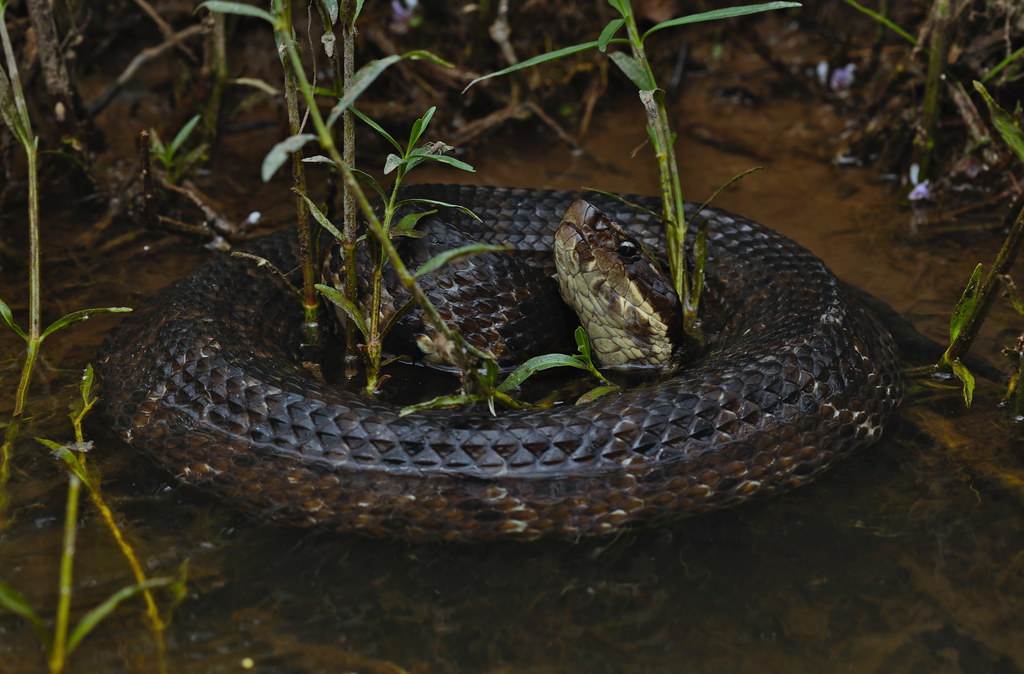
Some pit vipers have even adapted to semi-aquatic lifestyles, hunting fish and amphibians along waterways with specialized behaviors. Their versatile diet, which can include everything from mammals and birds to lizards and invertebrates depending on the species, further demonstrates their evolutionary success in exploiting available resources across diverse ecosystems.
Sophisticated Venom Control
One of the most fascinating evolutionary refinements in pit vipers is their ability to control venom expenditure during strikes. Research has shown that these snakes can modulate the amount of venom injected based on prey size, threat assessment, and even whether the strike is defensive or predatory. This “venom metering” represents a sophisticated solution to the metabolic cost of producing complex venoms, which require significant energy investment.
In defensive situations, some pit vipers may deliver “dry bites” with minimal or no venom, conserving this precious resource for hunting. The neurological control mechanisms behind this ability involve complex coordination between sensory input, brain processing, and muscular control of the venom delivery system. This remarkable precision demonstrates how natural selection has fine-tuned pit vipers for maximum efficiency in resource utilization.
Extreme Physiological Adaptations
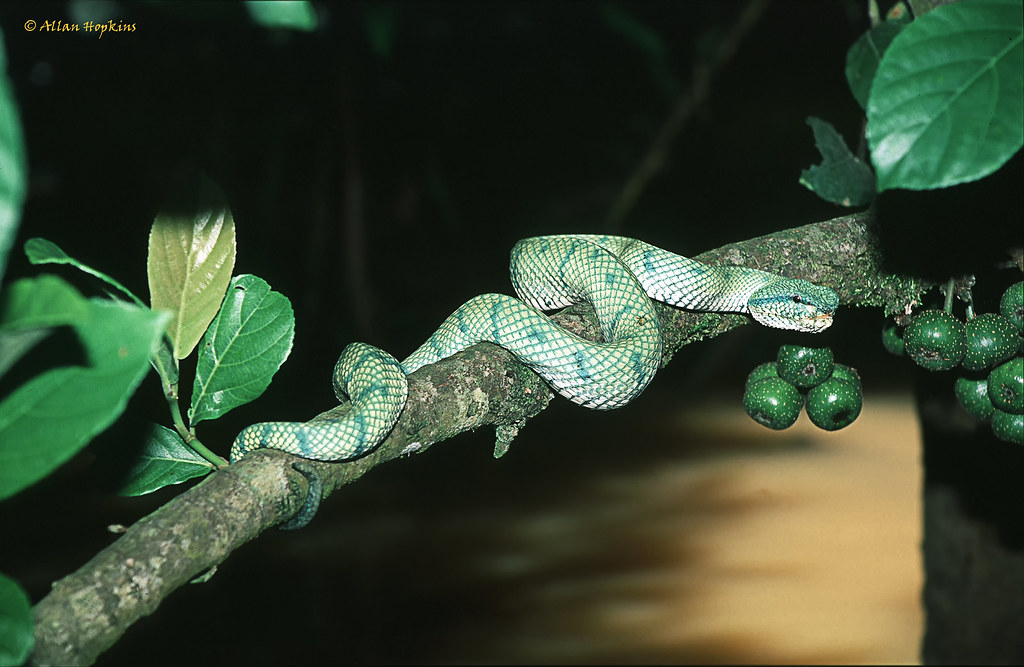
Pit vipers showcase extraordinary physiological adaptations that allow them to survive extreme conditions that would kill many other reptiles. Their specialized metabolism enables some species to survive months without food, converting nearly 90% of consumed prey into energy and growth—a remarkable efficiency compared to mammalian predators.
In cold climates, species like rattlesnakes have evolved sophisticated brumation strategies, gathering in communal hibernacula where they can survive freezing winters in a state of dramatically reduced metabolism. Desert-dwelling pit vipers display specialized kidney functions that allow them to concentrate waste products and conserve water in environments where moisture is scarce. Perhaps most remarkably, pit vipers possess impressive immune resistance to their own venom, with specialized proteins in their blood that neutralize the toxic effects that would otherwise destroy their tissues.
Complex Social Behaviors
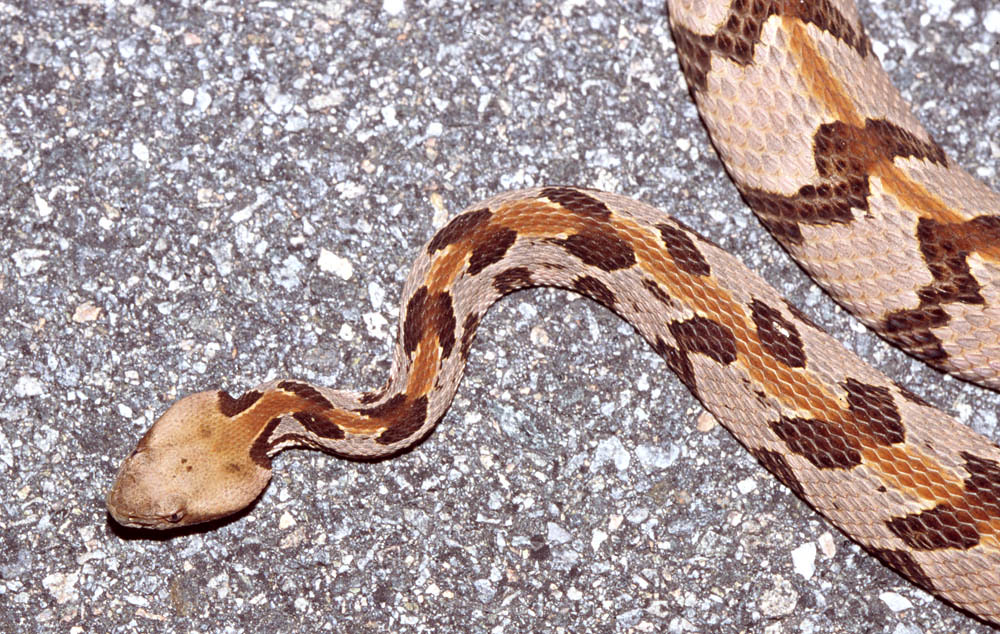
Contrary to the solitary reptile stereotype, research has revealed surprisingly sophisticated social behaviors in many pit viper species. Timber rattlesnakes demonstrate long-term social memory, recognizing relatives even after lengthy separations and showing preferential treatment toward kin when sharing winter dens. Female rattlesnakes often engage in communal birthing, with mothers remaining together while attending their young in a form of rudimentary cooperative care.
Studies have documented multigenerational den use, with young snakes following their mothers to traditional hibernation sites through complex scent-trailing behaviors. These discoveries challenge our understanding of reptilian cognition and suggest that pit vipers possess more advanced social capacities than previously recognized, representing yet another dimension of their evolutionary sophistication.
Evolutionary Resilience and Adaptability
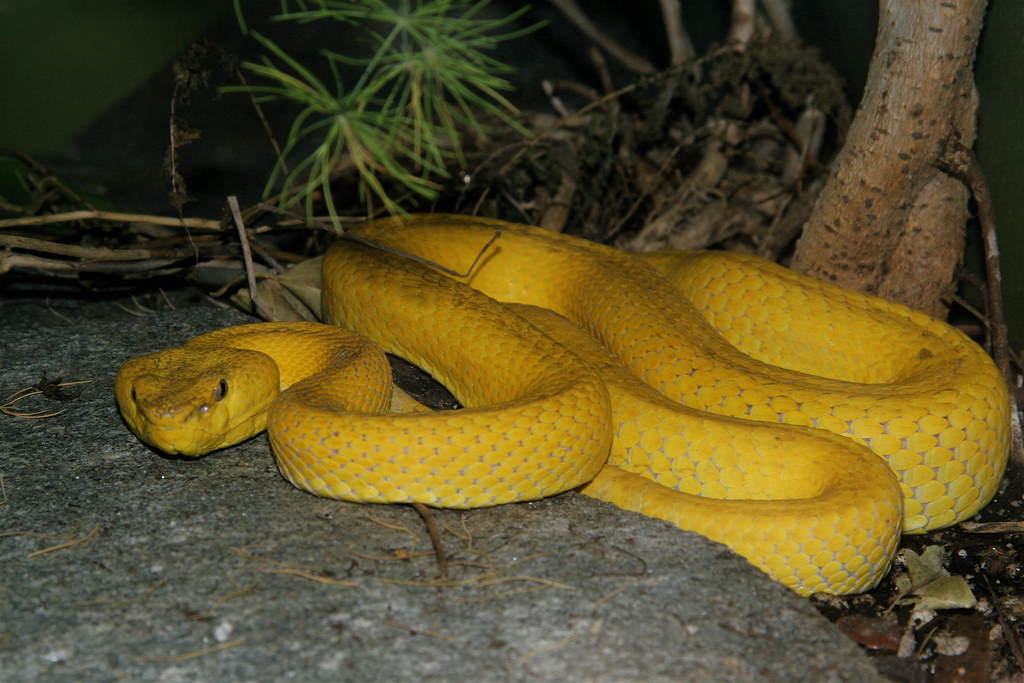
The evolutionary success of pit vipers is perhaps best demonstrated by their resilience in the face of changing environments. These remarkable reptiles have survived multiple mass extinction events, climate shifts, and habitat transformations over millions of years through their extraordinary adaptability. Their diverse family tree includes over 200 species across multiple continents, showcasing evolutionary radiation into numerous ecological niches.
Recent research has even documented rapid adaptive responses to human-induced environmental changes, with some populations showing altered behaviors and activity patterns in urbanized areas. Some species demonstrate behavioral plasticity that allows them to adjust hunting strategies based on available prey, while others show temperature-dependent sex determination that may help populations respond to climate fluctuations. This adaptability positions pit vipers well for continued evolutionary success despite the challenges of a rapidly changing world.
Human Applications of Pit Viper Biology
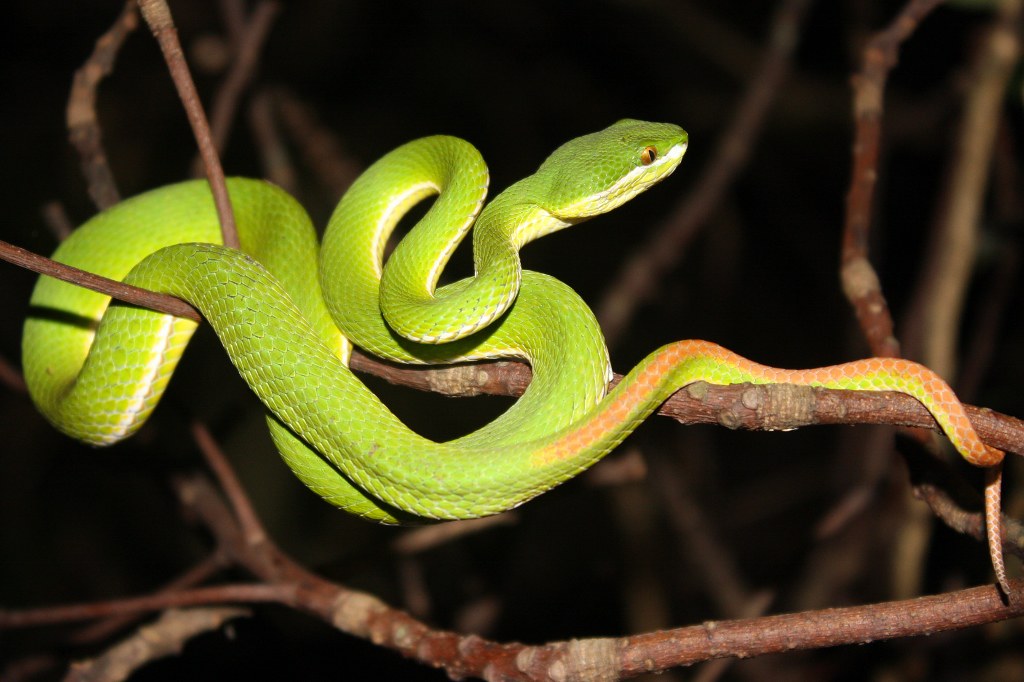
Perhaps the ultimate testament to pit vipers’ evolutionary perfection lies in how humans have looked to these reptiles for biological inspiration and medical applications. Their infrared sensing capabilities have inspired the development of advanced thermal imaging technologies used in everything from military applications to building energy efficiency assessment.
More significantly, pit viper venoms have become pharmaceutical goldmines, with components isolated and developed into life-saving medications. The blood pressure medication captopril, derived from a Brazilian pit viper’s venom, has saved millions of lives worldwide as a treatment for hypertension and heart failure. Other venom components are being researched for potential applications in pain management, cancer treatment, and anticoagulant therapy. By studying the molecular precision of venom components that target specific physiological pathways, scientists continue to unlock new potential treatments, demonstrating how these evolutionary marvels may help solve human medical challenges.
Pit vipers stand as compelling examples of evolution’s problem-solving brilliance—living embodiments of how natural selection can refine organisms to remarkable levels of specialization and efficiency. From their unparalleled sensory systems and precisely engineered venom delivery to their ecological adaptability and surprising social behaviors, these reptiles represent nature’s ingenuity at its finest. While they may inspire fear in many, a deeper understanding of pit vipers reveals creatures worthy of profound admiration for their evolutionary accomplishments.
As we continue to study these remarkable predators, we not only gain insights into evolutionary processes but also discover potential solutions to human challenges through biomimicry and medical applications. Perhaps no other reptile group better demonstrates the power of natural selection to create what can truly be called an evolutionary masterpiece.






Leave a Reply