

In the sprawling landscapes of East Africa, beneath the warm sands and hidden from casual observation, resides one of the reptile world’s most endearing characters – the Kenyan Sand Boa (Eryx colubrinus). Unlike its more infamous cousins that dominate wildlife documentaries, this diminutive serpent captivates with subtlety rather than spectacle. With its stout body, distinctive coloration, and peculiar hunting techniques, the Kenyan Sand Boa has carved a unique ecological niche while simultaneously winning the hearts of exotic pet enthusiasts worldwide. This remarkable reptile exemplifies evolutionary ingenuity, demonstrating how a species can thrive in harsh environments through specialized adaptations rather than size or aggression.
Natural Habitat and Geographic Distribution
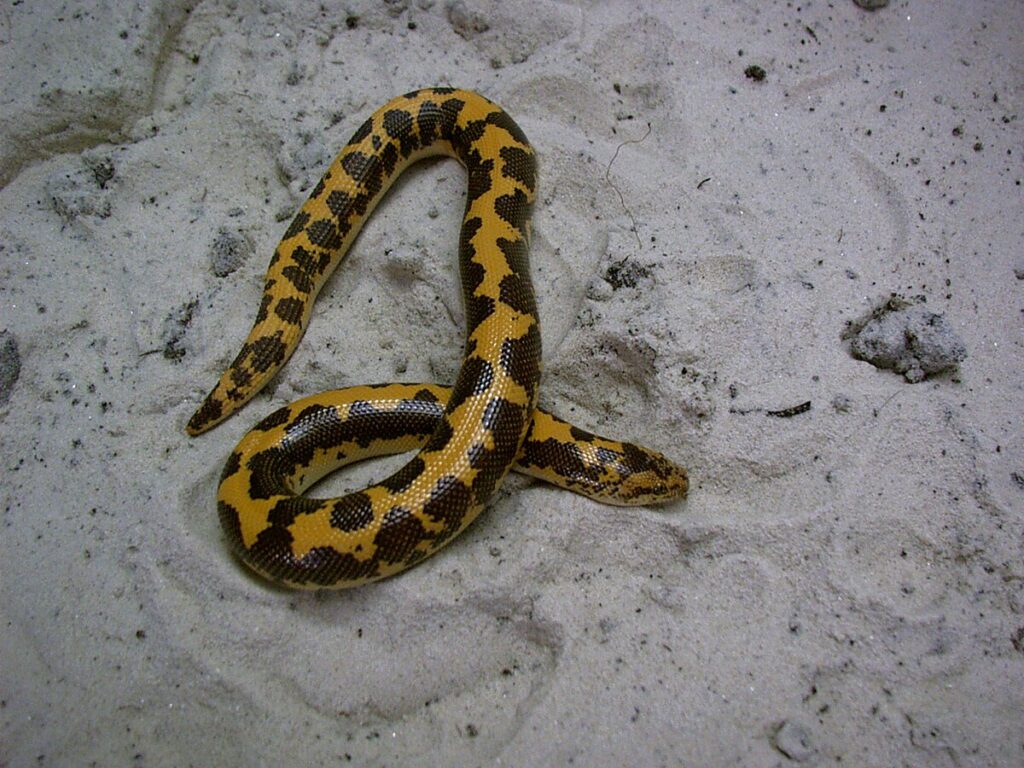
The Kenyan Sand Boa, as its name suggests, is primarily native to the eastern regions of Africa, with significant populations found in Kenya, Tanzania, Somalia, Ethiopia, and parts of Egypt. These snakes have adapted specifically to arid and semi-arid environments, preferring sandy soils where they can easily burrow and conceal themselves.
Unlike many other snake species that require consistent moisture, the Kenyan Sand Boa thrives in the harsh conditions of savanna grasslands, rocky outcrops, and desert fringes where temperatures fluctuate dramatically between day and night. Their distribution follows patterns of suitable substrate rather than vegetation types, as their fossorial (burrowing) lifestyle demands soils that allow for efficient movement beneath the surface.
Interestingly, human agricultural development has sometimes expanded suitable habitat for these adaptable reptiles, as they can also be found in cultivated areas with loose soil.
Physical Characteristics and Identification
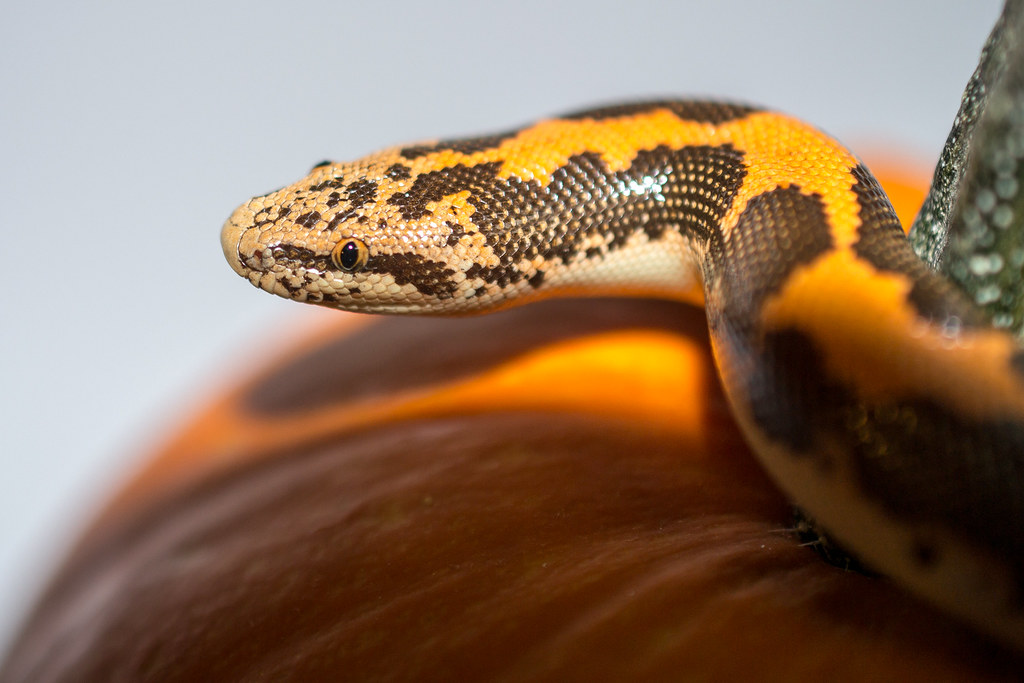
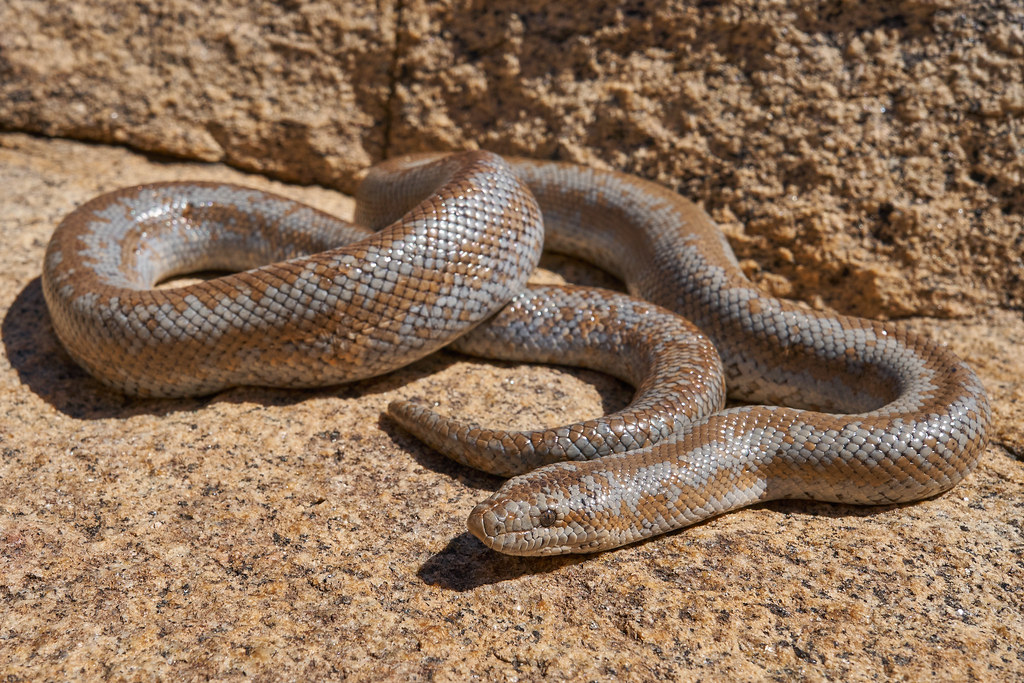
Kenyan Sand Boas present a distinctive appearance that makes them immediately recognizable among snake enthusiasts. These stout-bodied serpents typically reach only 15-24 inches (38-61 cm) in length, with females growing significantly larger than males – a notable case of sexual dimorphism.
Their most striking feature is their blunt, wedge-shaped head that seamlessly blends into their cylindrical body, creating a specialized tool for burrowing through sand and loose soil. The eyes are positioned high on the head, allowing the snake to remain almost entirely buried while still monitoring its surroundings for potential prey or predators.
Their body coloration consists of a base background of tan, orange, or reddish-brown adorned with irregular dark brown or black blotches, providing excellent camouflage in their natural sandy habitats. The ventral (belly) scales are typically cream-colored or white, with small, smooth body scales that facilitate efficient subterranean movement.
Evolutionary Adaptations for Desert Life

The Kenyan Sand Boa exhibits remarkable evolutionary adaptations that allow it to thrive in challenging desert environments where many reptiles would struggle to survive. Perhaps most notable is their respiratory system, which has evolved to function efficiently even when the snake is almost completely buried beneath the sand, with specialized valves in their nostrils that prevent sand particles from entering their respiratory tract.
Their cylindrical body shape and smooth scales facilitate “sand swimming,” enabling them to move through substrate with minimal energy expenditure – a crucial adaptation in resource-scarce environments. The placement of their eyes on the top of their head represents another desert-specific adaptation, allowing them to remain concealed while maintaining visual awareness of potential threats or prey moving above them.
Additionally, Kenyan Sand Boas possess highly efficient kidneys and specialized metabolism that allow them to conserve water in arid conditions, often going weeks or even months between drinking opportunities during dry seasons.
Hunting Techniques and Feeding Behavior
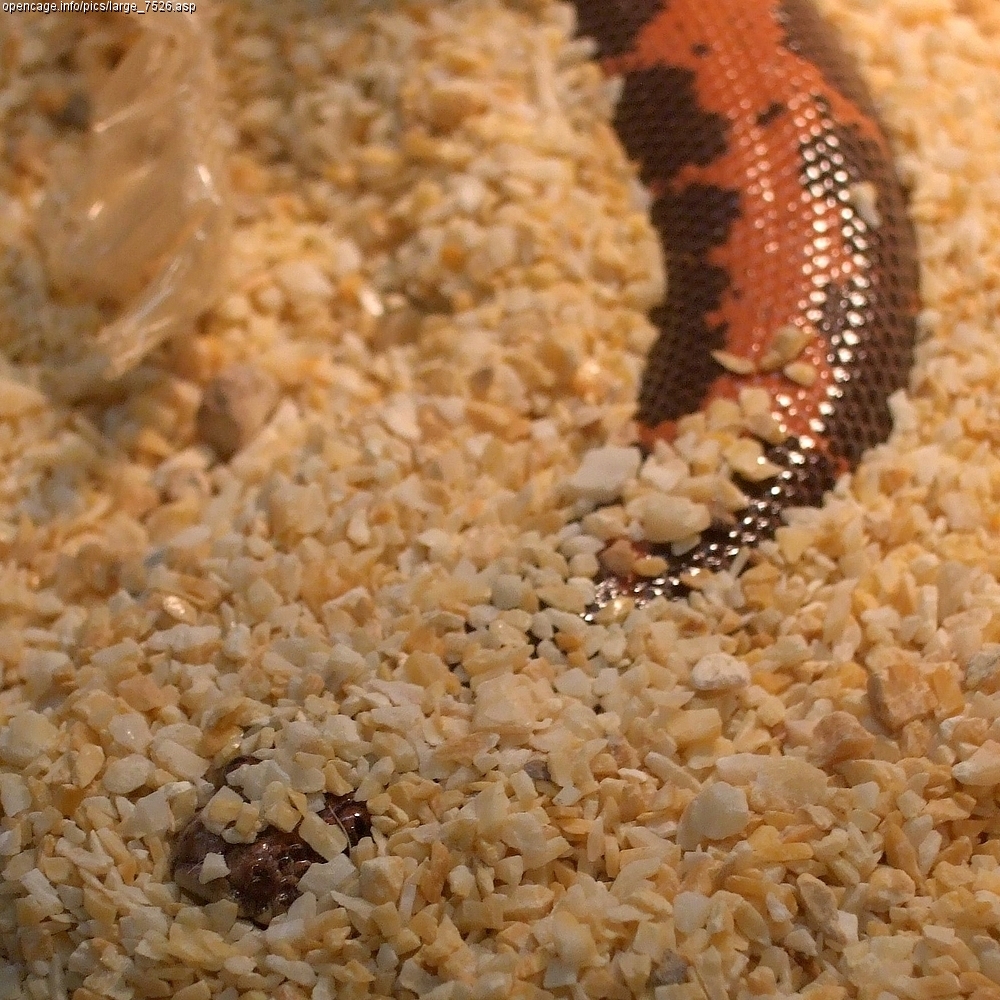
The hunting strategy of the Kenyan Sand Boa showcases nature’s ingenuity through a specialized ambush technique perfectly suited to its environment. These snakes typically bury themselves just beneath the surface of the sand or soil, leaving only their eyes exposed as they patiently wait for suitable prey to pass overhead.
When a potential meal comes within striking distance, the boa lunges upward with surprising speed, seizing its prey with recurved teeth before rapidly wrapping its muscular body around the victim in the classic constrictor fashion. Unlike many other boas that rely heavily on heat-sensing pits, Kenyan Sand Boas primarily use vision and vibration detection through their bodies to locate prey.
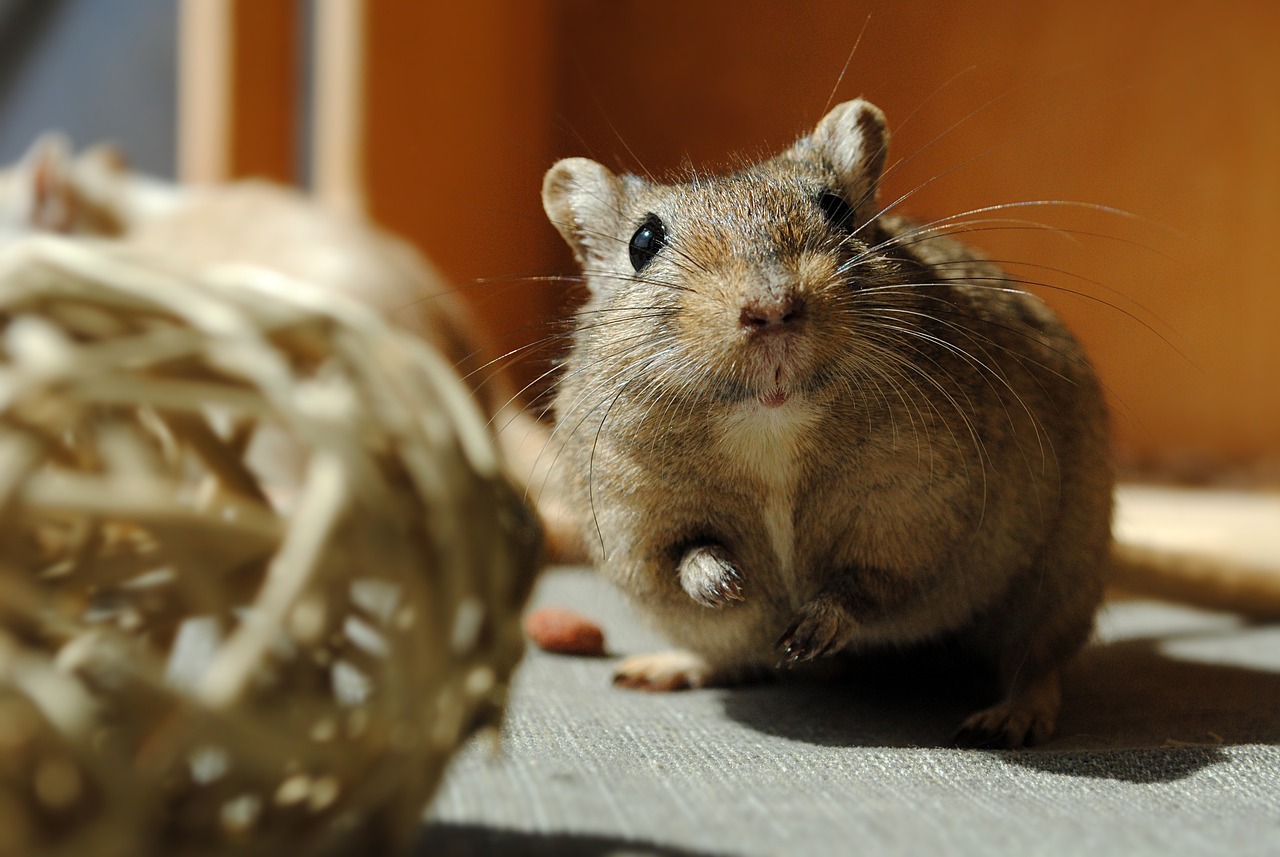
Their diet consists mainly of small rodents such as mice, gerbils, and young rats, though they occasionally consume lizards and even other small snakes when opportunity permits. After consuming a substantial meal, these efficient predators can go weeks or even months without eating, an adaptation particularly valuable in environments where prey availability fluctuates seasonally.
Reproduction and Life Cycle
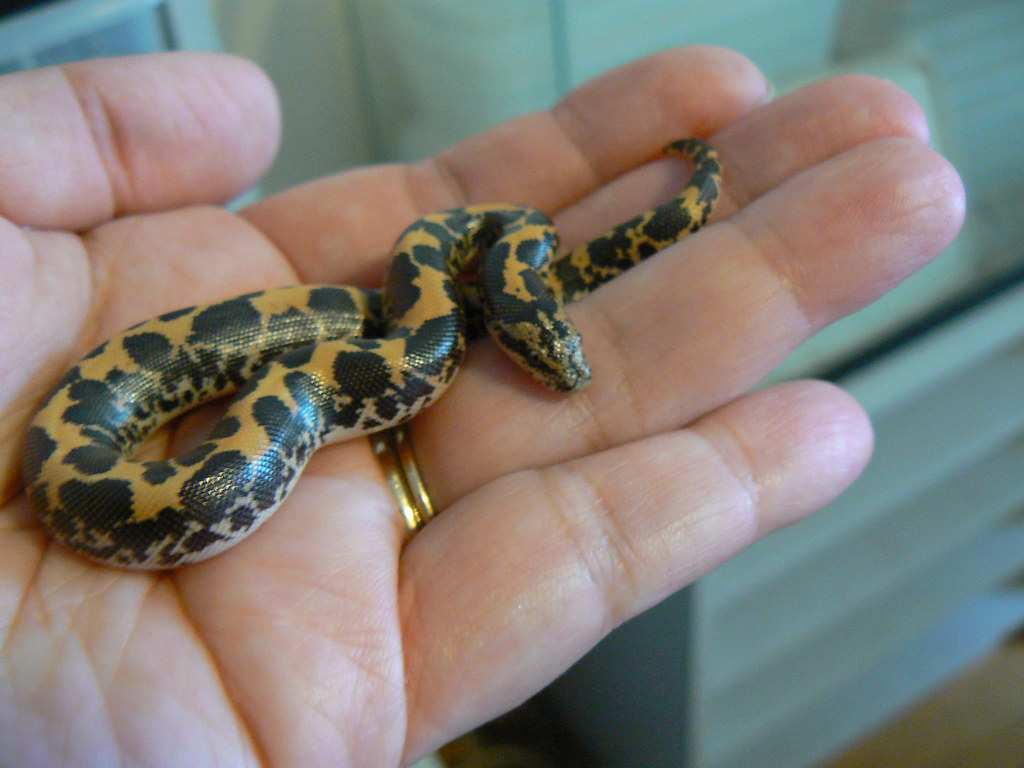
The reproductive biology of the Kenyan Sand Boa presents several fascinating aspects that distinguish it from many other snake species. Unlike the majority of snake species that lay eggs (oviparous), the Kenyan Sand Boa is ovoviviparous, meaning females retain eggs within their bodies until the young are fully developed, then give birth to live offspring.
Mating typically occurs during the rainy season when resources are more abundant, with females producing litters of 6-20 young after a gestation period of approximately 3-4 months. Newborn sand boas measure only about 6-8 inches in length but are fully independent from birth, equipped with the instinctual knowledge to hunt and survive without parental care.
Sexual maturity is reached relatively quickly, with males becoming reproductive at about 18-24 months of age and females slightly later at 24-36 months. With proper care in captivity, these resilient reptiles can live 15-20 years, though their lifespan in the wild is typically shorter due to predation and environmental challenges.
Behavioral Patterns and Activity Cycles
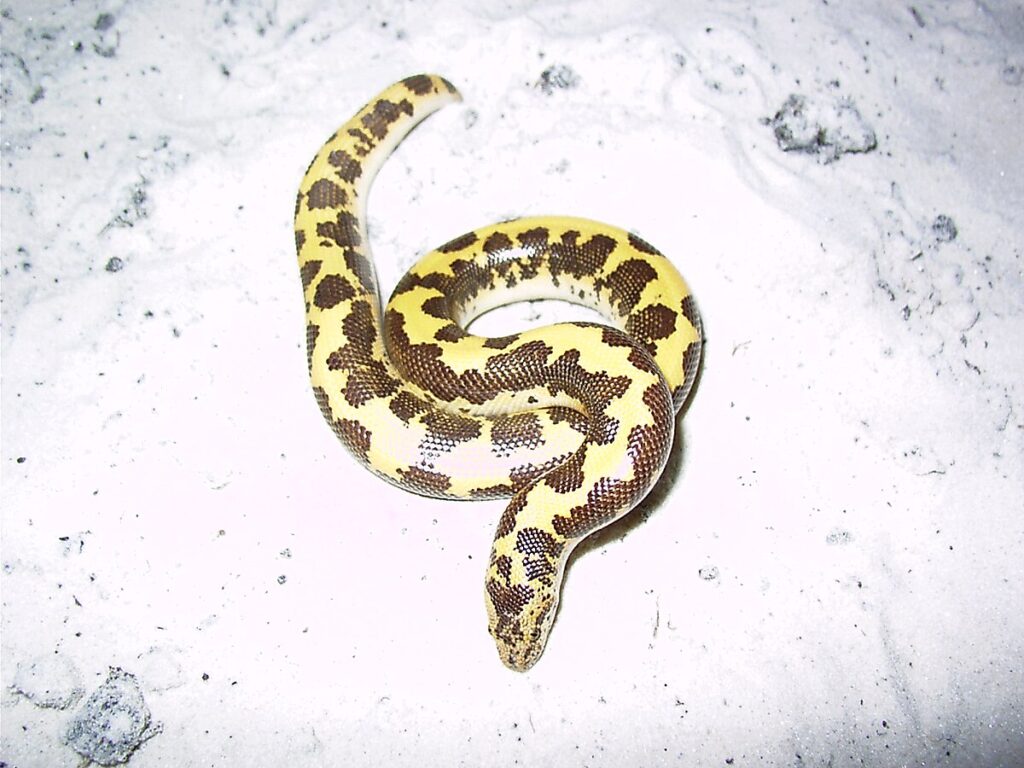
Kenyan Sand Boas exhibit predominantly nocturnal behavior, becoming most active during evening and night hours when temperatures cool and their prey is more active. During daylight hours, they typically remain hidden beneath the sand or soil, emerging only occasionally to thermoregulate by basking briefly before returning to their subterranean sanctuary.
This nocturnal adaptation allows them to avoid the extreme daytime heat of their arid habitats while simultaneously reducing exposure to diurnal predators such as raptors and larger reptiles. Their activity levels show notable seasonal variation, with increased movement during rainy periods when prey abundance peaks and reduced activity during extreme dry seasons, when they may enter a state of torpor (reduced metabolic activity) to conserve energy.
Despite their seemingly simple behavioral repertoire, research has shown these snakes demonstrate complex spatial memory, often returning to successful hunting locations and specific shelter sites within their home range.
Ecological Significance and Role
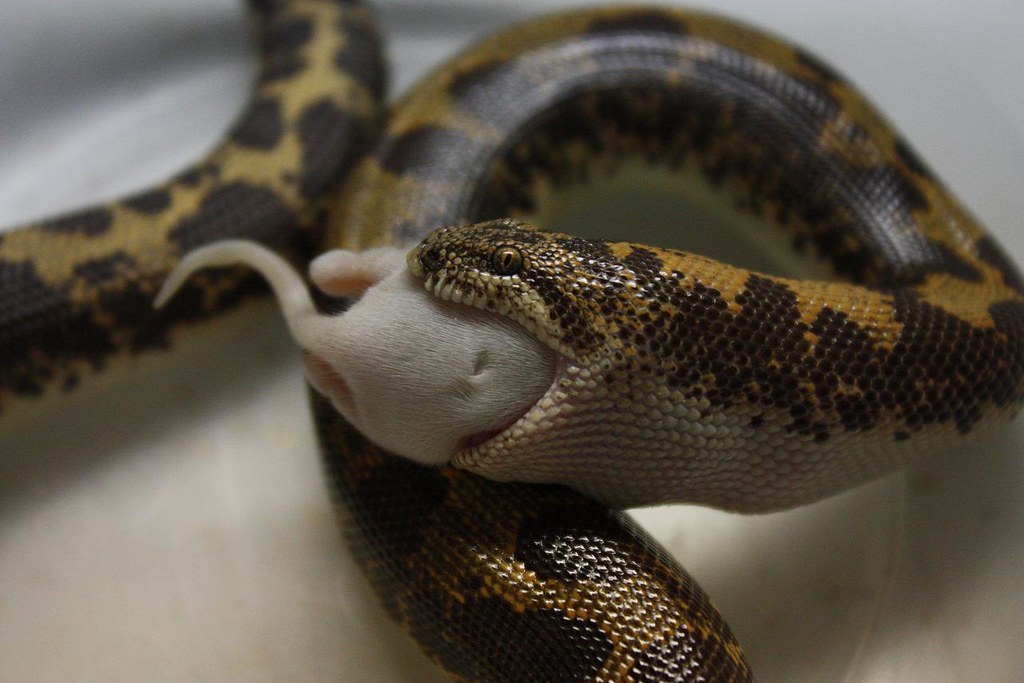
Within their native ecosystems, Kenyan Sand Boas fulfill several critical ecological functions that contribute to environmental balance and biodiversity. As mid-level predators, they help regulate populations of small mammals that might otherwise experience unchecked growth, particularly seed-eating rodents that could potentially damage native plant communities if their numbers became excessive.
Their burrowing activities contribute to soil aeration and nutrient cycling, creating microhabitats that benefit soil microorganisms and plant root systems. Additionally, sand boa burrows often become secondary habitats for other small creatures seeking shelter, from invertebrates to small reptiles, thus increasing habitat complexity in otherwise simple desert ecosystems.
As prey themselves for larger predators such as monitor lizards, birds of prey, and small carnivorous mammals, they represent an important link in the food web, transferring energy from primary consumers (rodents) to apex predators and demonstrating the interconnectedness of desert ecological systems.
Conservation Status and Threats
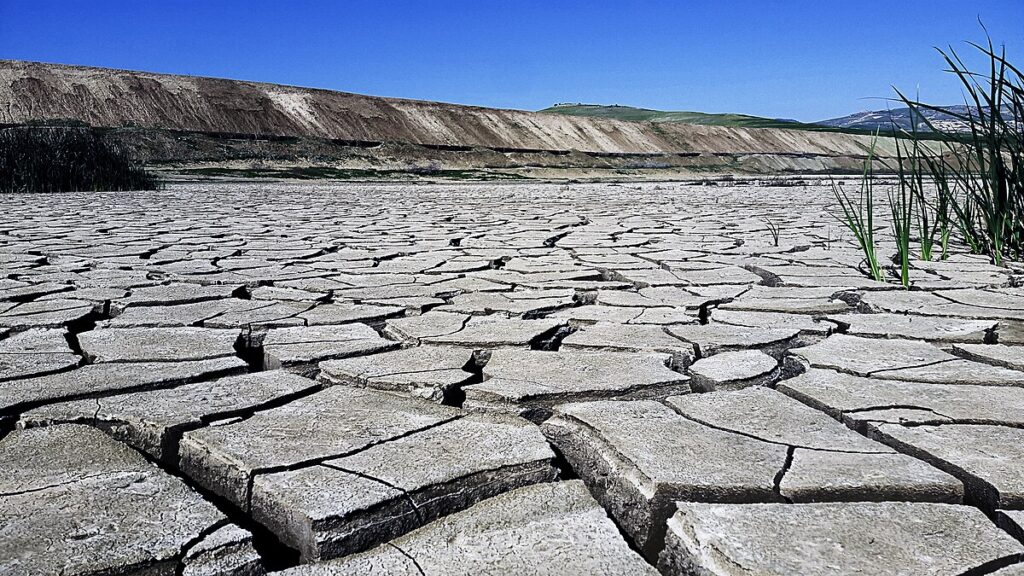
The Kenyan Sand Boa currently maintains a status of “Least Concern” on the IUCN Red List, indicating that its populations remain relatively stable across its range. However, this status should not mask the various challenges these reptiles face in an increasingly human-modified world.
Habitat destruction through agricultural expansion, urban development, and mining operations represents the most significant threat, fragmenting populations and reducing suitable habitat. The international exotic pet trade has also impacted wild populations, with illegal collection still occurring despite breeding programs that supply captive-bred specimens for the commercial market.
Climate change presents another looming threat, as shifting rainfall patterns and increasing temperature extremes may alter the delicate balance of their arid ecosystems beyond the snakes’ adaptive capabilities. Additionally, local persecution due to misplaced fear and superstition continues in some regions, where snakes of all species are killed indiscriminately regardless of their ecological value or harmless nature.
Cultural Significance and Human Interaction
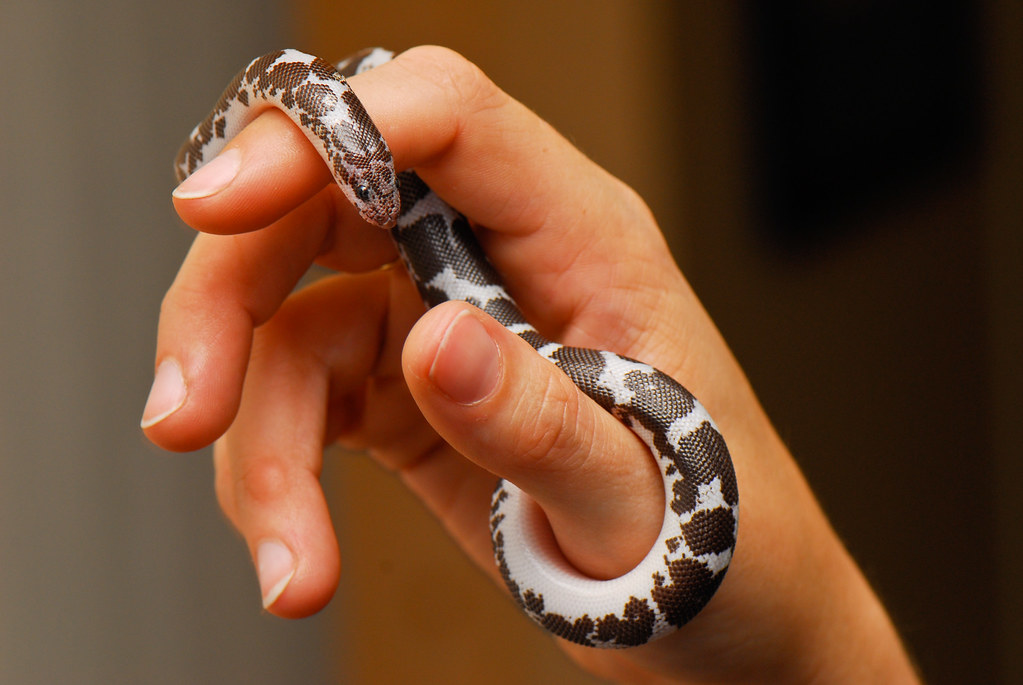
Throughout history, the Kenyan Sand Boa has featured in the cultural narratives and traditional practices of various East African communities, often with mixed symbolic associations. Among certain Kenyan tribes, these snakes were considered beneficial organisms that protected granaries by controlling rodent populations, earning them a measure of protection and respect.
Conversely, in other communities, their nocturnal habits and secretive nature contributed to superstitious fears, with some local folklore attributing magical properties to these harmless reptiles. In contemporary times, the primary human interaction with Kenyan Sand Boas occurs through the exotic pet trade, where their manageable size, docile temperament, and striking coloration have made them popular among beginner reptile enthusiasts.
This commercial interest has spawned a robust captive breeding industry that has produced numerous color morphs not found in wild populations, including albinos, axanthics (lacking yellow pigment), and hypomelanistic (reduced black pigment) varieties that command premium prices in the specialty pet market.
Captive Care Requirements
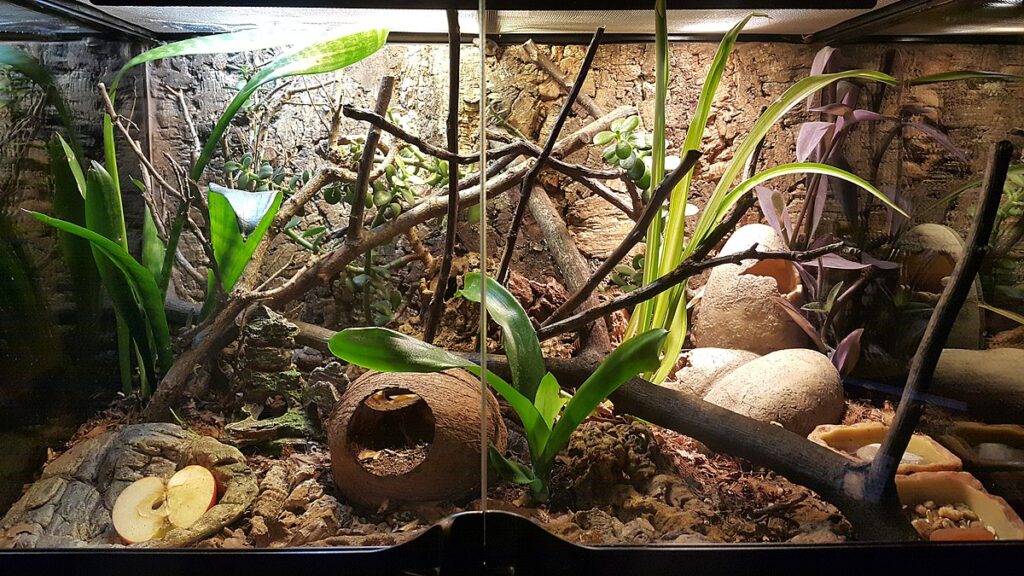
Caring for a Kenyan Sand Boa in captivity requires specific environmental conditions that mimic their natural habitat while addressing their specialized behavioral needs. A proper enclosure should consist of a secure terrarium with a minimum size of 20 gallons for adults, featuring a substrate of at least 4-6 inches of fine sand or sand/soil mixture that allows for natural burrowing behavior.
Temperature gradients are essential, with a warm side maintained at 88-95°F (31-35°C) and a cooler side at 75-80°F (24-27°C), typically achieved through under-tank heating pads rather than overhead lamps since these are burrowing species. Humidity should be kept relatively low at 30-40% to prevent respiratory infections, with a small water dish provided for drinking and occasional soaking.
Feeding typically consists of appropriately-sized mice offered every 7-14 days for adults and more frequently for growing juveniles, preferably using feeding tongs to prevent accidental bites during food response. Unlike many reptiles that require complex lighting setups, Kenyan Sand Boas do not require UVB lighting due to their natural avoidance of direct sunlight, simplifying their care requirements compared to many other reptile species.
Common Health Issues and Veterinary Care
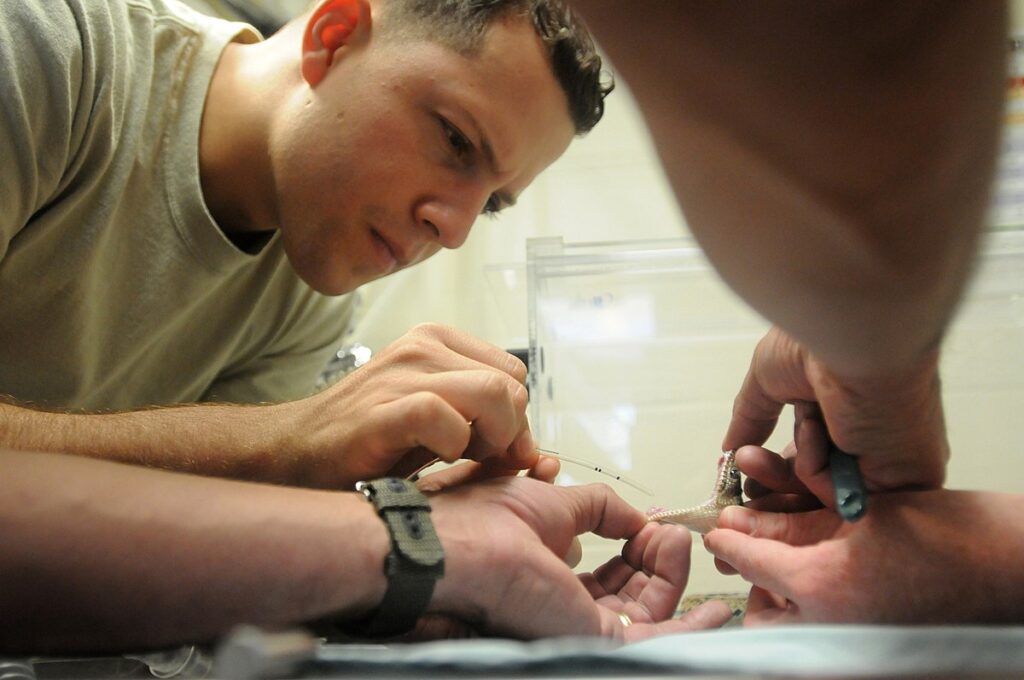
Despite their hardiness, Kenyan Sand Boas in captivity can experience several health concerns that require vigilant monitoring and appropriate veterinary intervention. Respiratory infections represent one of the most common ailments, typically resulting from excessive humidity or insufficient temperature gradients, manifesting as wheezing, bubbling around the mouth, or abnormal breathing patterns.
Parasitic infestations, both internal (various worms) and external (mites and ticks), can occur particularly in wild-caught specimens or those exposed to infected prey items. Dysecdysis, or difficulty shedding, frequently results from inadequate humidity during the shedding process, potentially leading to retained eye caps or constriction injuries if not addressed promptly.
Obesity has become increasingly common in captive specimens due to overfeeding and insufficient space for exercise, potentially leading to fatty liver disease and reduced reproductive success. When seeking veterinary care, owners should locate an exotic animal veterinarian with specific reptile experience, as general practice veterinarians often lack the specialized knowledge required for proper diagnosis and treatment of snake-specific conditions.
Breeding Practices and Genetic Diversity

The breeding of Kenyan Sand Boas in captivity has evolved into a sophisticated practice combining natural biological cues with careful genetic management. Successful breeding typically begins with a cooling period (brumation) of 6-8 weeks at reduced temperatures (65-70°F) to simulate seasonal changes that trigger reproductive hormones.
Following this period, males and females are introduced for breeding, with successful copulation often occurring multiple times over several days before separation to prevent stress on the female. Gestation lasts approximately 3-4 months, during which the female requires increased temperatures and nutrition to support developing offspring.
The captive breeding industry has produced numerous color and pattern mutations through selective breeding, including anery (lacking red pigment), snow (combining albino and anery traits), and paradox (displaying unexpected pigmentation) varieties. Responsible breeders maintain careful records of lineage to prevent inbreeding depression while working to preserve genetic diversity within captive populations, an increasingly important consideration as wild genetic exchange becomes more limited due to habitat fragmentation.
Scientific Research and Recent Discoveries

Scientific investigation into the biology and ecology of the Kenyan Sand Boa continues to yield fascinating discoveries that enhance our understanding of these specialized reptiles. Recent molecular phylogenetic studies have clarified the taxonomic relationships within the genus Eryx, confirming that what was previously considered a single species actually represents several distinct genetic lineages with specific geographic distributions.
Biomechanical research examining the unique locomotion of sand boas has revealed sophisticated muscular coordination that allows efficient movement through granular substrates, with potential applications in the design of snake-inspired robots for search and rescue operations in collapsed buildings or unstable terrain.
Physiological studies have documented remarkable adaptations in their respiratory and cardiovascular systems that enable prolonged periods of submersion in substrate without oxygen deprivation. Additionally, behavioral research utilizing radio telemetry has mapped previously unknown movement patterns and home range sizes in wild populations, demonstrating more complex spatial utilization than previously assumed for these seemingly sedentary reptiles.
The Kenyan Sand Boa represents a remarkable example of evolutionary specialization, demonstrating how a species can thrive in challenging environments through adaptation rather than dominance. From their unique hunting strategies to their specialized physiology, these snakes have mastered the art of desert living while maintaining a modest profile in their ecosystems.
Whether appreciated for their ecological role in balancing rodent populations, studied for their remarkable biological adaptations, or kept as fascinating pets, Kenyan Sand Boas continue to captivate those who take the time to understand their slow-paced yet fascinating lives. As we continue to learn more about these specialized reptiles, they remind us that sometimes nature’s most impressive achievements come in small, unassuming packages that reveal their complexity only to those patient enough to observe their subtle charms.




Leave a Reply