
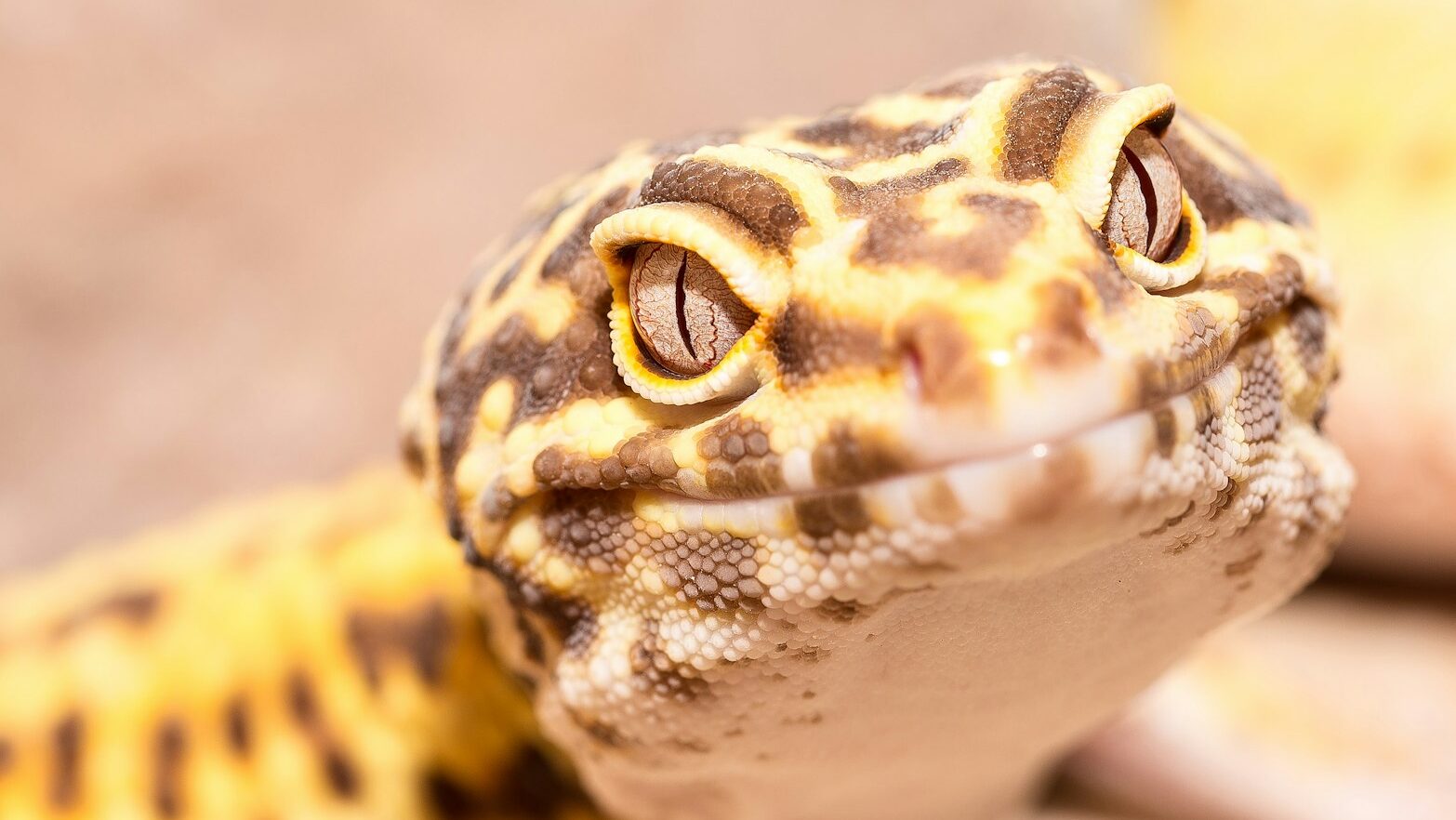
For years, reptile enthusiasts have debated whether their scaly companions can form emotional connections with their human caregivers. While dogs and cats are widely recognized for their ability to bond with humans, reptiles have traditionally been viewed as primitive creatures incapable of complex emotions or attachments. However, recent scientific research and countless anecdotal reports from leopard gecko owners suggest that these charismatic little lizards may indeed form meaningful bonds with their human caretakers. This article explores the fascinating evidence behind leopard gecko bonding behaviors, what science reveals about their cognitive abilities, and how you can strengthen your relationship with your gecko companion.
Understanding Leopard Gecko Intelligence
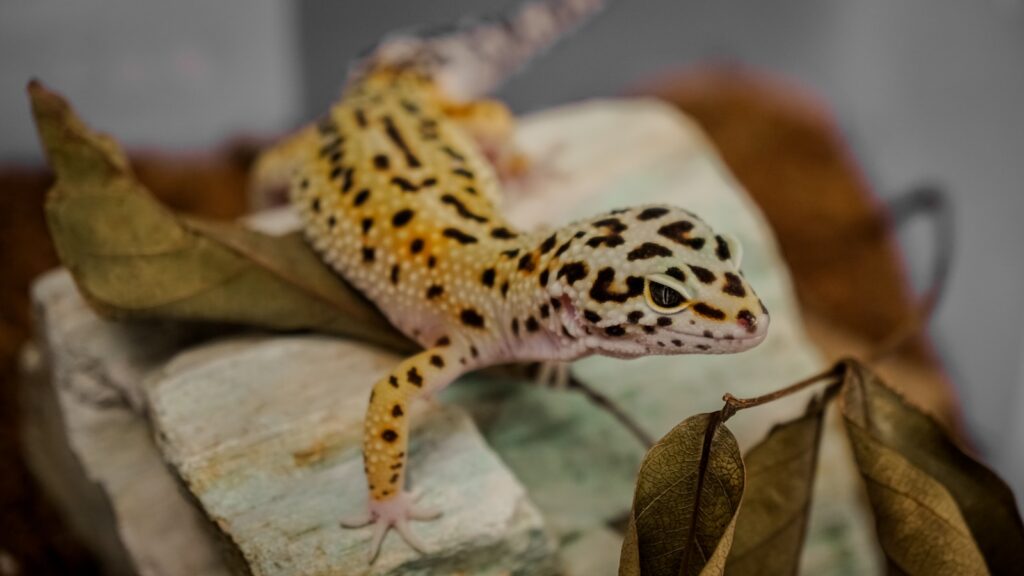
Leopard geckos (Eublepharis macularius) possess more sophisticated cognitive abilities than previously believed. Research in reptile cognition has shown these geckos can recognize individual humans, particularly those who feed and care for them regularly. They have demonstrated spatial memory capabilities that allow them to remember hiding spots, favorite basking locations, and even the routines of their human caregivers. Studies conducted at the University of Tennessee found that leopard geckos consistently performed better in maze tests than expected, suggesting higher problem-solving abilities than many scientists initially attributed to reptiles. This cognitive foundation provides the necessary framework for leopard geckos to form specific associations with their human caretakers beyond simple food responses.
The Science of Reptilian Bonding
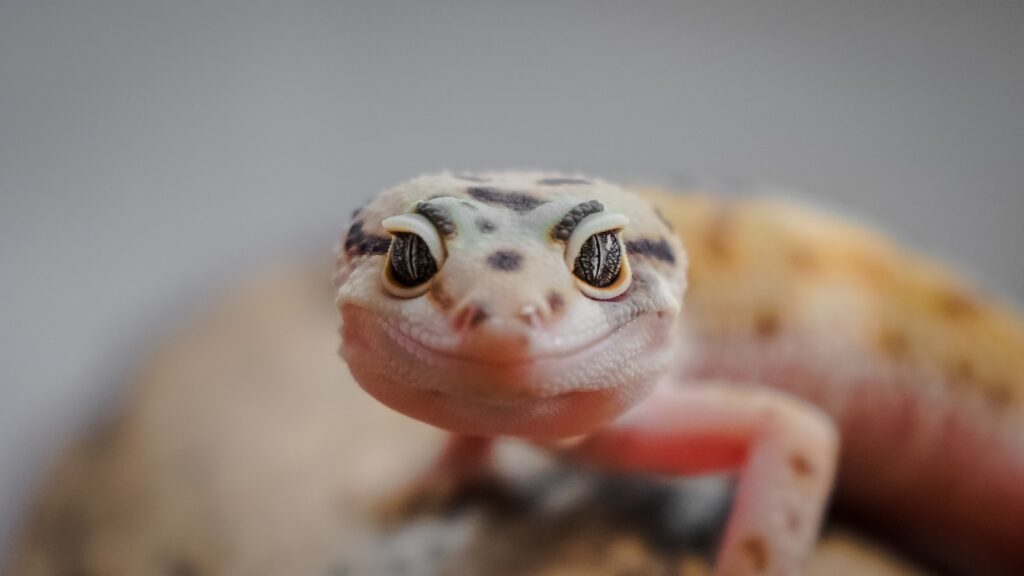
The concept of bonding in reptiles differs from mammals but is nonetheless real and scientifically supported. While mammals form attachments through oxytocin—often called the “love hormone”—reptiles rely on different neurochemical systems that evolution has adapted for their specific needs. Dr. Gordon Burghardt, professor of psychology and ecology at the University of Tennessee, has pioneered research showing that reptiles exhibit behavioral patterns consistent with primitive forms of attachment. His studies indicate that leopard geckos can develop preferences for specific individuals who represent safety, comfort, and resources. This preferential behavior manifests through reduced stress responses, increased voluntary interaction, and even seeking proximity to preferred humans—all hallmarks of basic bonding behaviors in the reptilian context.
Signs Your Leopard Gecko Recognizes You

Leopard geckos display several observable behaviors that indicate recognition of their primary caretaker. A bonded gecko will often approach the front of its enclosure when its favorite human enters the room, showing curiosity and interest rather than fear. Many owners report their geckos remain calm during handling with their regular caretaker but display stress behaviors with unfamiliar people. Distinctive head tilting, an attentive posture, and willingly climbing onto their owner’s hand without coercion are strong indicators of familiarity and comfort. Perhaps most telling is that many leopard geckos will seek out their owner’s scent, often preferring to rest on items of clothing or other objects carrying their caretaker’s distinct smell, demonstrating a clear preference based on olfactory recognition.
How Leopard Geckos Form Attachments
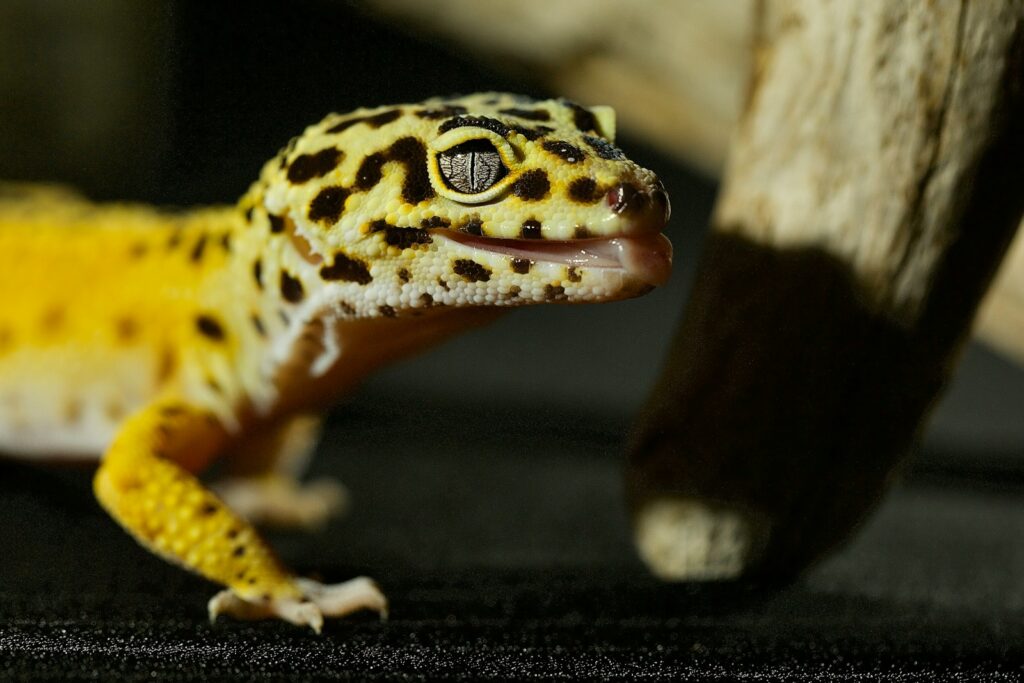
Leopard geckos create associations through consistent positive interactions over time. This process begins with the gecko learning that you represent safety rather than danger, a crucial first step in reptilian bonding psychology. Regular handling sessions that respect the gecko’s comfort level help establish trust through predictable, gentle interactions. Food association plays a significant role, as the gecko learns to connect your presence with positive experiences like feeding time. Research from the Journal of Herpetological Medicine suggests that leopard geckos can form these positive associations within 3-6 months of consistent interaction, though the strength of the bond continues to develop throughout their lives. Unlike the instantaneous puppy love we might experience with mammals, gecko bonding requires patience and consistency, but results in a unique and rewarding relationship.
Trust vs. True Bonding: What’s the Difference?
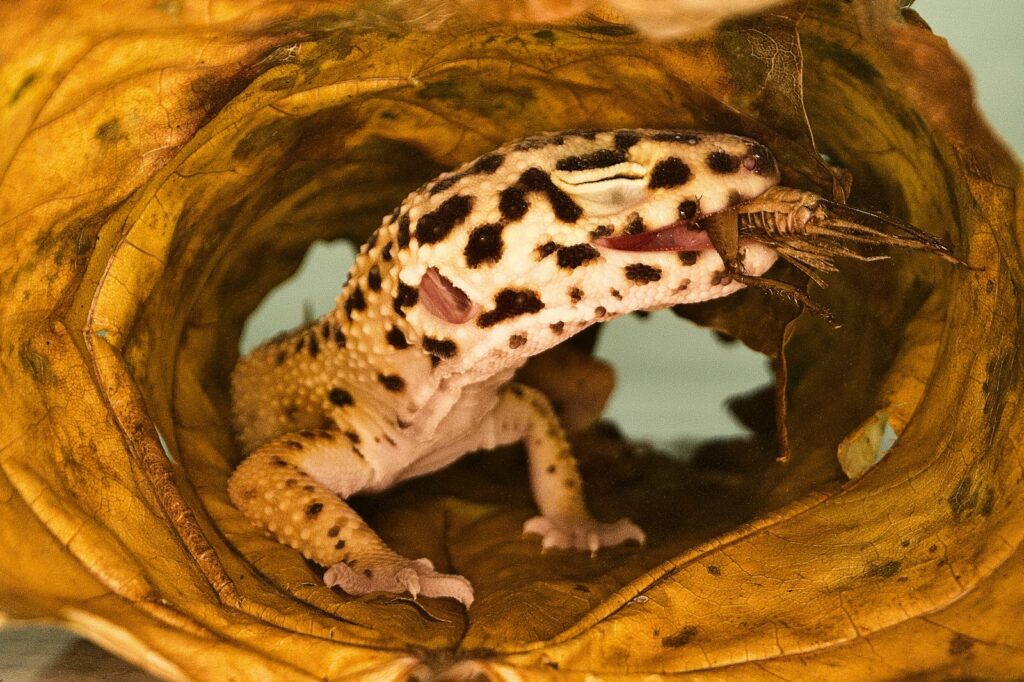
The distinction between trust and genuine bonding in leopard geckos has become an important area of study in reptile behavior. Trust is established when a gecko no longer perceives its handler as a threat and willingly tolerates interaction without stress responses like tail dropping or attempting to flee. True bonding, however, goes beyond mere tolerance to include active seeking of interaction and displaying voluntary behaviors that indicate preference for their human caregiver. Dr. Susan Donoghue, a veterinarian specializing in reptile behavior, has documented cases where leopard geckos show signs of recognition and even excitement when their primary caretakers approach, even when food isn’t involved. This distinction matters because it helps us understand that geckos can form attachments that transcend the simple resource-based relationships previously assumed to be the limit of reptilian social capacity.
Debunking the “Just Food Association” Myth
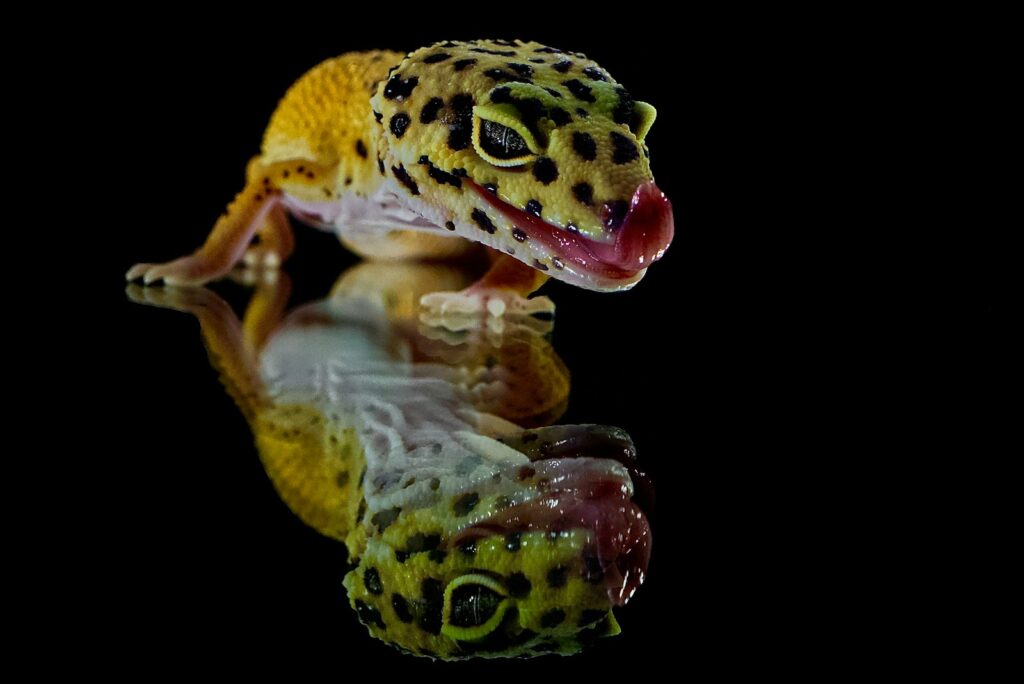
Critics often dismiss gecko bonding behaviors as mere food associations, but research has revealed this is an oversimplification. In controlled studies where unfamiliar handlers offered food while familiar handlers did not, leopard geckos still showed preference for their regular caretakers, suggesting recognition beyond feeding alone. Experienced owners report their geckos seeking interaction during times completely separate from feeding schedules, approaching the enclosure glass or climbing onto hands without food incentives. Reptile behaviorist Dr. James Murphy documented cases where hospitalized leopard geckos showed measurable decreases in stress hormones when their regular owners visited, compared to when unfamiliar but equally gentle staff handled them. These findings strongly suggest that while food association plays a role in initial bonding, the relationship evolves beyond simple food rewards into something more nuanced and complex.
How Handling Affects Bonding Potential
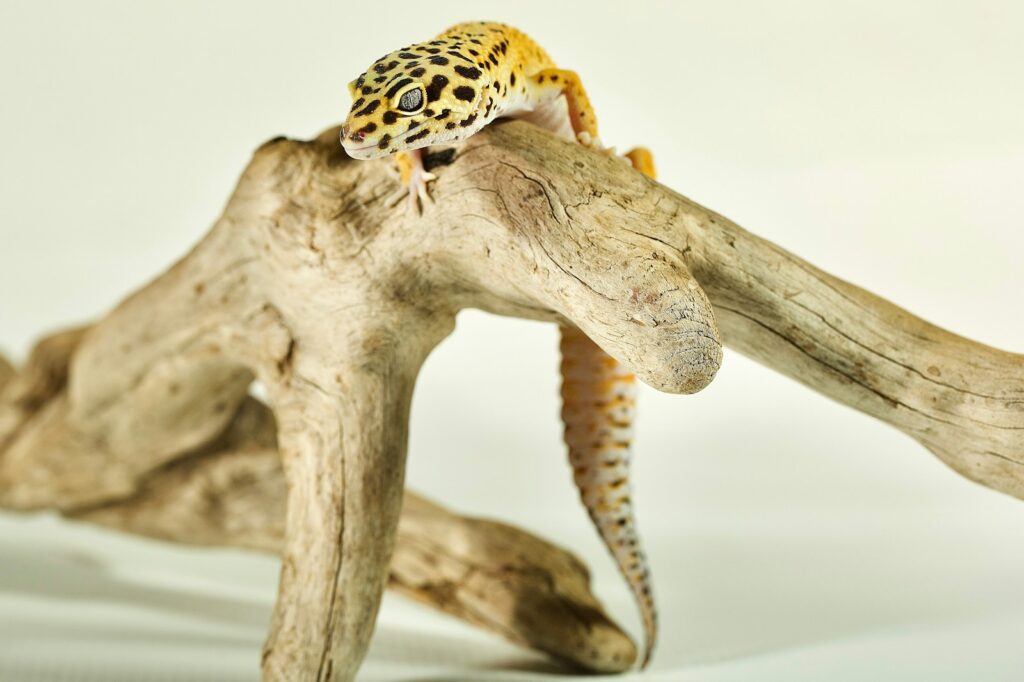
The manner and frequency of handling directly impacts a leopard gecko’s capacity to bond with humans. Research published in the Journal of Applied Animal Welfare Science found that geckos handled gently for 5-10 minutes daily showed significantly lower stress responses over time compared to those handled infrequently or roughly. Proper handling technique involves supporting the gecko’s full body, avoiding restraint, and respecting signs of discomfort such as squirming or tail vibration. Studies at the Reptile Research Centre in Melbourne demonstrated that leopard geckos handled consistently from a young age showed measurably higher comfort levels with humans as adults. The timing of handling sessions is equally important – approaching geckos during their active evening hours rather than disrupting their daytime sleep cycle creates positive associations and respects their natural biological rhythm, fostering trust that can develop into bonding.
The Role of Scent in Gecko Recognition
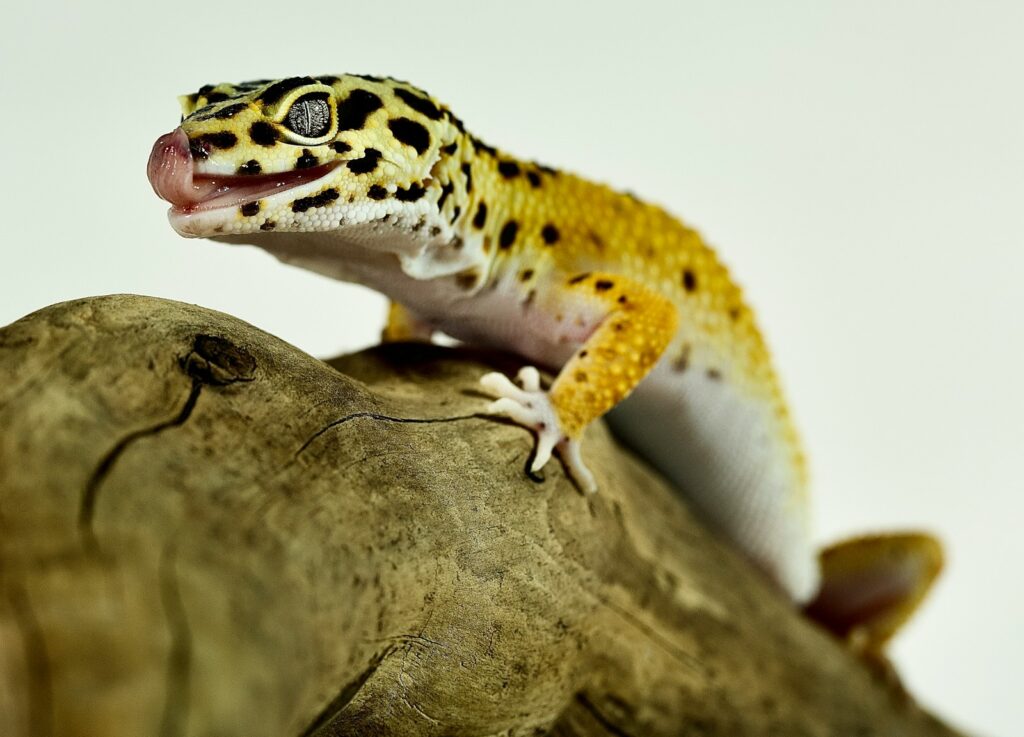
Leopard geckos possess remarkably sophisticated olfactory systems that play a crucial role in their ability to recognize individual humans. Research at the University of Colorado’s reptile behavior laboratory revealed that leopard geckos can distinguish between the scent of their primary caretaker and strangers, often showing preference for items carrying their owner’s scent. This olfactory recognition occurs because humans possess unique chemical signatures in their skin oils that geckos can detect and memorize over time. Experienced gecko owners often report their pets showing more relaxed body language when exposed to their scent compared to unfamiliar people. Some reptile specialists recommend letting your gecko become accustomed to your scent by placing a worn (but clean) shirt near their enclosure, creating familiar olfactory associations that help strengthen the human-gecko bond through this primary sensory channel.
Individual Personality Differences
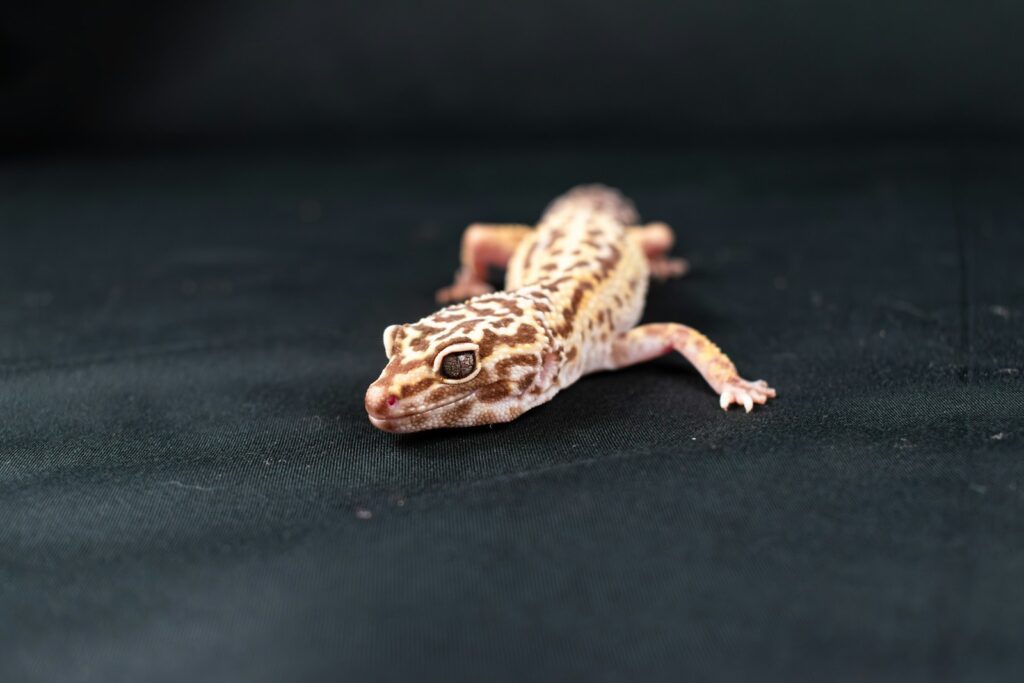
Not all leopard geckos share the same capacity or inclination for human bonding, largely due to inherent personality differences. Herpetologists have documented significant variation in temperament among leopard geckos, with some individuals naturally exhibiting more curious, bold, and social behaviors than others. A comprehensive study by the Reptile Behavior Research Group found that these personality traits remain relatively consistent throughout a gecko’s life and significantly impact their bonding potential. Some geckos actively seek interaction, while others may always remain more reserved regardless of handling frequency. Genetics plays a role in these temperament differences, with captive-bred geckos from multi-generational breeding programs typically showing greater comfort with human interaction than wild-caught specimens. Understanding and respecting your gecko’s unique personality is essential for developing the strongest possible bond within their individual comfort limits.
Building Trust Through Feeding Rituals
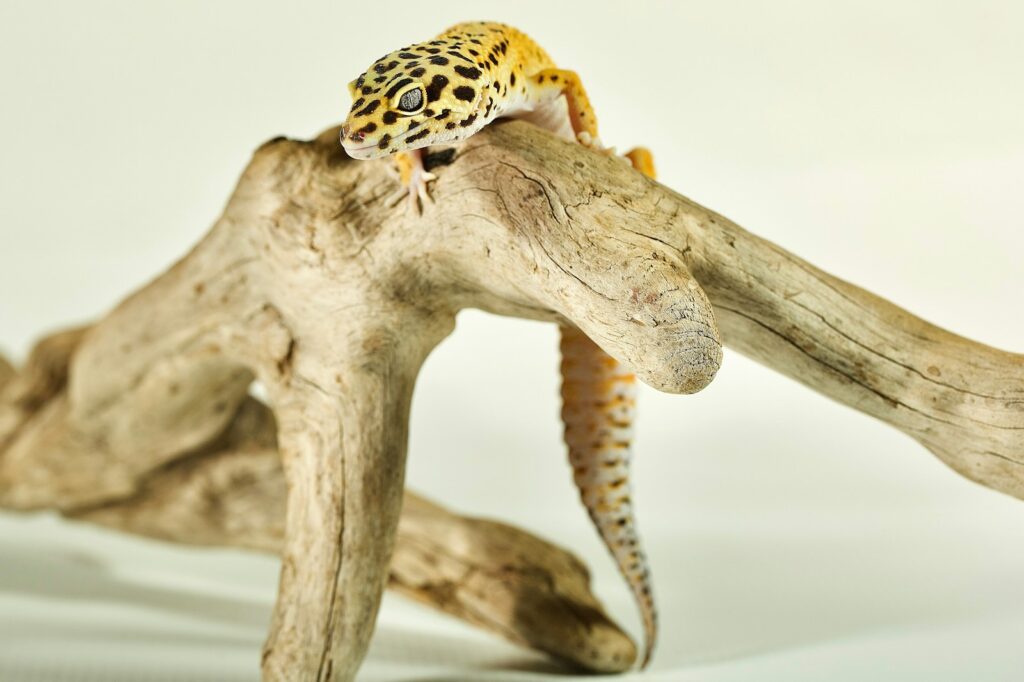
Strategic feeding practices can significantly enhance the bonding process with leopard geckos. Hand-feeding creates powerful positive associations, as it pairs your presence directly with one of the gecko’s most primal motivations. Research conducted at the Reptile Behavior Institute found that leopard geckos who received treats from their owner’s hand showed accelerated trust development compared to those fed exclusively from dishes. Establishing consistent feeding schedules helps your gecko anticipate positive interactions, creating a framework of predictability that reptiles find particularly comforting. Many experienced owners develop unique feeding rituals, such as using a specific verbal cue or gentle tap on the enclosure before feeding, which their geckos learn to associate with positive experiences. The key is consistency—these feeding interactions should be regular, gentle, and conducted in a way that respects the gecko’s natural feeding behaviors rather than forcing interaction.
Communication Between Geckos and Humans
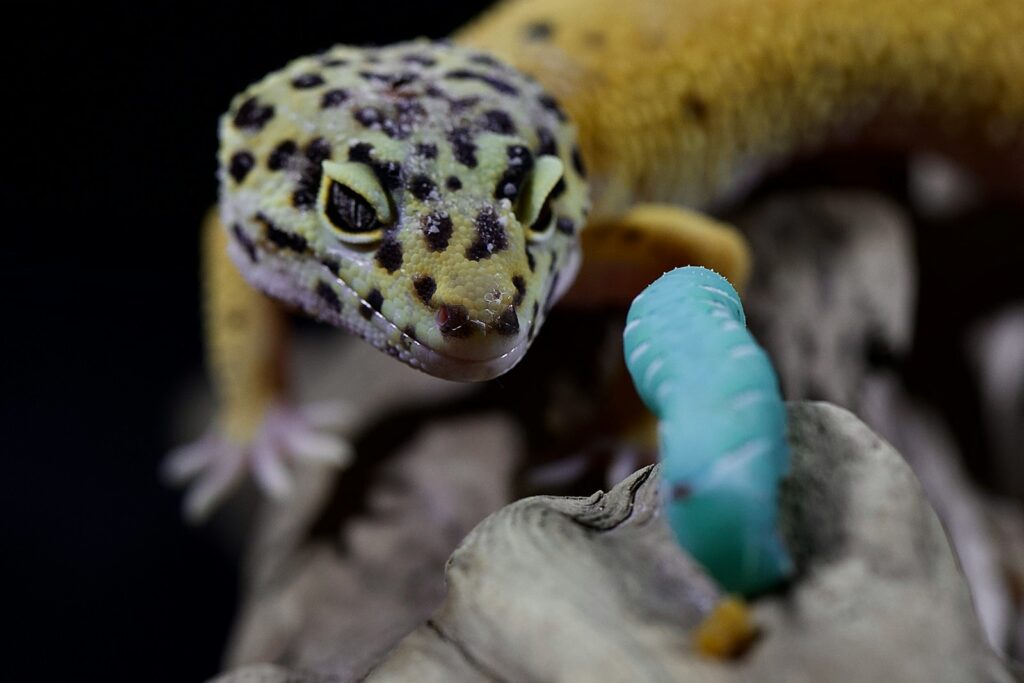
Leopard geckos communicate with their caretakers through subtle but decipherable behaviors that indicate their emotional states. Tail wagging in gentle, slow movements often signals interest and recognition, while rapid tail vibration typically indicates excitement or irritation. A relaxed gecko will display loose body posture, while a stressed individual will appear rigid with raised limbs ready for a quick retreat. Research conducted by herpetologist Dr. Kevin Wright documented that bonded geckos develop specific communication patterns with their regular handlers, including head tilting, eye contact maintenance, and voluntary approaching behaviors not displayed with strangers. Learning to “speak gecko” by recognizing these subtle communication signals allows owners to respond appropriately to their pet’s needs, strengthening trust and deepening the human-gecko relationship. This interspecies communication creates a feedback loop where both human and gecko learn to understand and respond to each other’s signals.
How Environment Affects Bonding Capacity
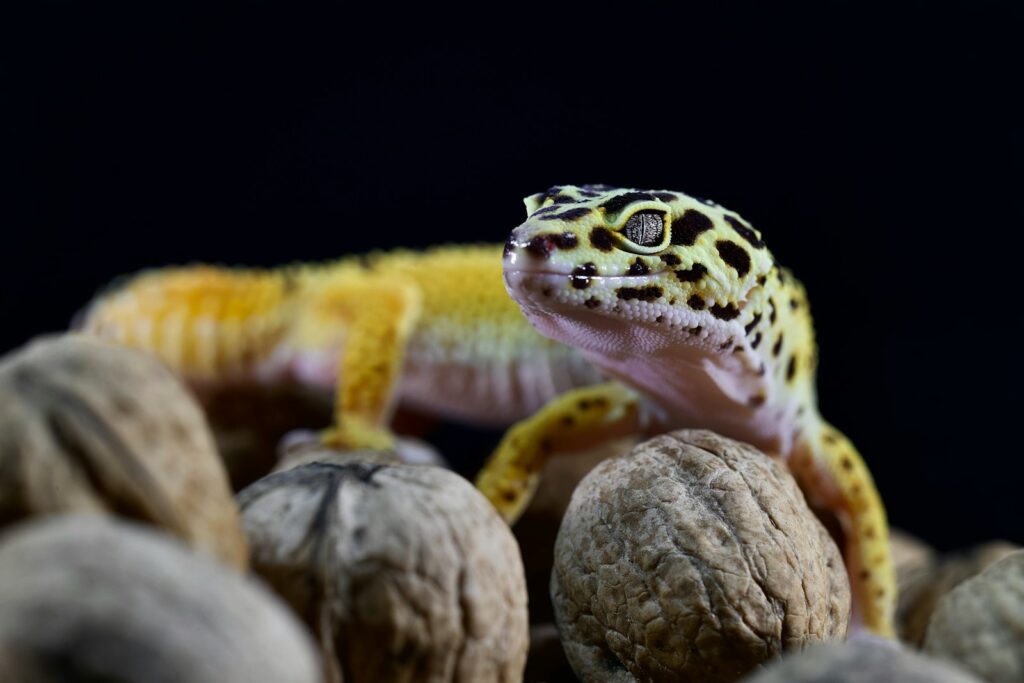
The quality of a leopard gecko’s habitat directly influences its psychological ability to form bonds with humans. Geckos living in stress-free environments with proper temperature gradients, adequate hiding spots, and appropriate substrate show dramatically increased capacity for positive human interactions. Research published in the Journal of Veterinary Behavior demonstrated that leopard geckos housed in enriched environments with multiple climbing opportunities, varied textures, and appropriate thermal zones showed lower baseline stress hormones and increased exploratory behaviors compared to those in minimalist setups. A stressed gecko expends mental energy on survival concerns rather than social bonding, making habitat quality a prerequisite for relationship development. Environmental security creates the psychological safety necessary for your gecko to view you as a positive addition to its world rather than another potential threat, establishing the foundation upon which meaningful bonds can develop.
Practical Tips for Strengthening Your Bond
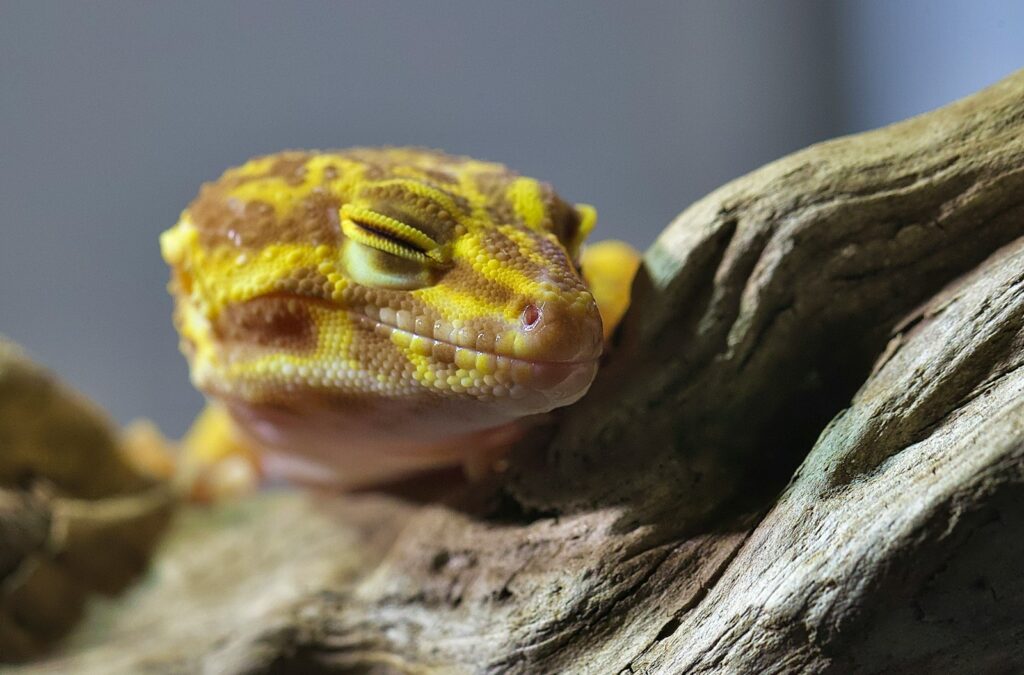
Developing a strong bond with your leopard gecko requires patience, consistency, and respect for their unique nature as reptiles. Begin with short, positive handling sessions of 5-10 minutes several times weekly, gradually increasing duration as your gecko shows comfort signals like relaxed body posture and voluntary exploration. Hand-feeding special treats like waxworms (used sparingly) creates powerful positive associations with your presence. Speaking softly before handling helps your gecko associate your voice with positive experiences rather than surprising them with sudden movement. Many successful owners establish a routine of removing their gecko to a “bonding space” – a secure, warm area where supervised exploration creates positive associations separate from the gecko’s territory. Remember that bonding is reciprocal; taking time to observe your gecko’s individual preferences and respecting when they signal they’ve had enough handling builds the trust foundation necessary for deeper connection.
The Long-Term Benefits of Human-Gecko Bonding
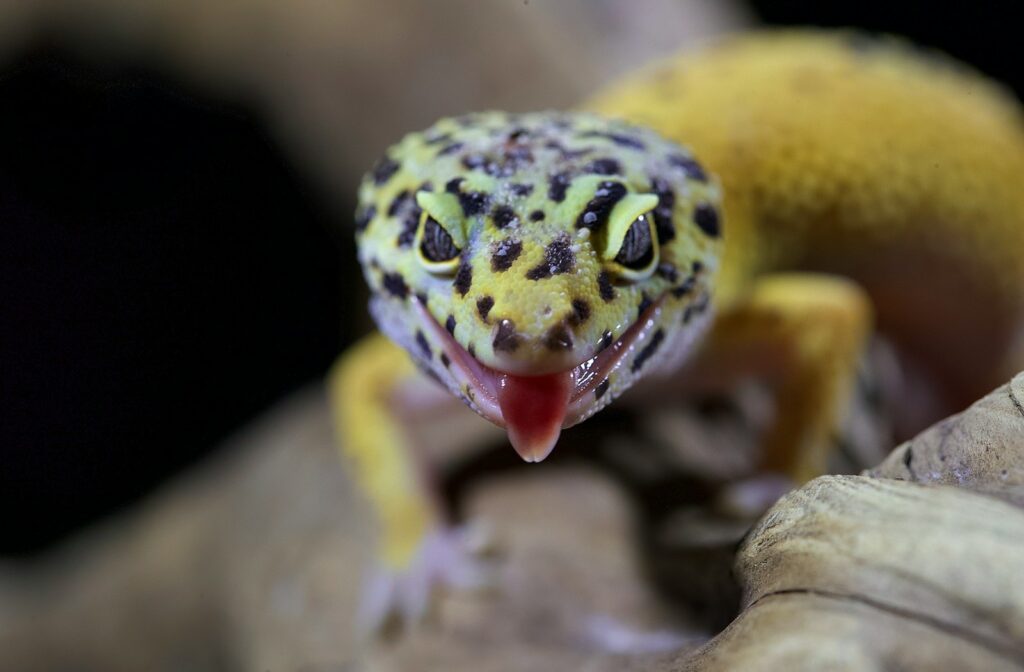
The relationship between leopard geckos and their human caregivers offers mutual benefits that extend beyond simple companionship. For geckos, positive human interaction provides environmental enrichment, mental stimulation, and exposure to novel experiences that captive environments might otherwise lack. Research published in the International Journal of Comparative Psychology found that reptiles receiving regular positive interaction showed increased activity levels and more diverse behavioral patterns than isolated specimens. For humans, the gecko-human bond provides unique satisfaction different from traditional pet relationships, often described as more contemplative and observational. Veterinary studies indicate that well-bonded leopard geckos typically experience less handling stress during necessary medical procedures, potentially improving health outcomes. Perhaps most significantly, these relationships challenge our understanding of animal cognition and emotional capacity, expanding our appreciation for the complex inner lives of species we once considered primitive and unfeeling.
Conclusion

The evidence strongly suggests that leopard geckos are indeed capable of forming meaningful bonds with their human caretakers. While these bonds differ from the attachment styles of mammals, they represent genuine recognition, preference, and trust that transcends mere food association. Through understanding leopard gecko cognition, respecting their communication signals, and providing consistent positive interactions, owners can develop rewarding relationships with these fascinating reptiles. As our scientific understanding of reptile behavior continues to evolve, we’re discovering that these ancient creatures are far more socially and emotionally complex than previously believed. Your leopard gecko may not wag its tail when you come home like a dog, but in its own reptilian way, it absolutely can recognize, prefer, and even seek interaction with the human who has earned its trust.










Leave a Reply